


Blue Dream Strain Guide: Breaking Down a California Classic
Blue Dream is a sativa-dominant hybrid best known for combining the sweet berry character of Blueberry genetics with the more uplifting qualities associated with Haze.
The cultivar has become one of the most recognizable names in cannabis, particularly in California. Consumers commonly describe its effects as balanced: mentally uplifting and creative without necessarily sacrificing body relaxation. It often carries a sweet berry aroma with herbal, pine, and spice notes, although the exact terpene profile, potency, and appearance can vary considerably between growers and batches.
If you're looking for the Blue Dream strain at embarc, consider this your ultimate guide.
Blue Dream Quick Facts
Classification: Sativa-dominant hybrid
Common genetics: Blueberry × Haze
Commonly reported effects: Creative, euphoric, happy, and relaxed
Dominant terpenes: Commonly myrcene, pinene, and caryophyllene
Best known for: Balanced effects and a sweet berry aroma
Potential side effects: Dry mouth, dry eyes, and dizziness
Blue Dream Strain Effects
Blue Dream has built much of its reputation around effects that sit somewhere between stimulating and relaxing.
Consumers frequently report an uplifting cerebral effect accompanied by creativity, euphoria, and improved mood. At the same time, the cultivar is often associated with a degree of body relaxation rather than the heavier, couch-locking sensation some indica-dominant strains can produce. Many people describe the experience as mentally stimulating while still physically calming.
That balance is part of the reason it has remained approachable to such a broad range of cannabis lovers. Someone looking for a daytime or social strain may find the reported effects more manageable than a heavily sedating cultivar, although individual responses depend on tolerance, dose, and the specific product.
Side effects are still possible. Dry mouth and dry eyes are among the most commonly reported, and some users report dizziness. Higher doses of THC may also increase the likelihood of anxiety, discomfort, or impaired coordination, particularly for newer consumers. Start with a modest serving and give the effects time to develop before consuming more.
Blue Dream Smell and Taste
Sweet berries are the signature, but that’s not the only flavor here.
Blue Dream is commonly associated with blueberry, berry, and sweet flavors, but there is usually more happening underneath the fruit. Its terpene profile often includes myrcene, pinene, and caryophyllene, which can contribute herbal, piney, and peppery notes alongside the sweeter aroma.
Myrcene is also found in plants such as hops and thyme and often contributes earthy or herbal aromas. Pinene is easy to recognize from pine needles as well as herbs such as rosemary and basil.
Caryophyllene provides the spicy, pepper-like character also found in black pepper.
The balance can shift from batch to batch. One grower may produce flower that leans heavily toward ripe blueberry, while another may show more pine, earth, or spice depending on phenotype, cultivation, and curing.
Blue Dream Flower Appearance
Blue Dream flower does not have one mandatory look.
A shopper may encounter medium-to-large buds with green coloration, orange or rust-colored
pistils, and a visible coating of trichomes. Some examples can also show bluish, lavender, or darker hues, particularly depending on genetics and growing conditions.
More important than matching an internet photograph is looking at the condition of the flower in front of you. Properly cured buds should not appear excessively dry or brittle, and visible trichome coverage can help indicate resin production.
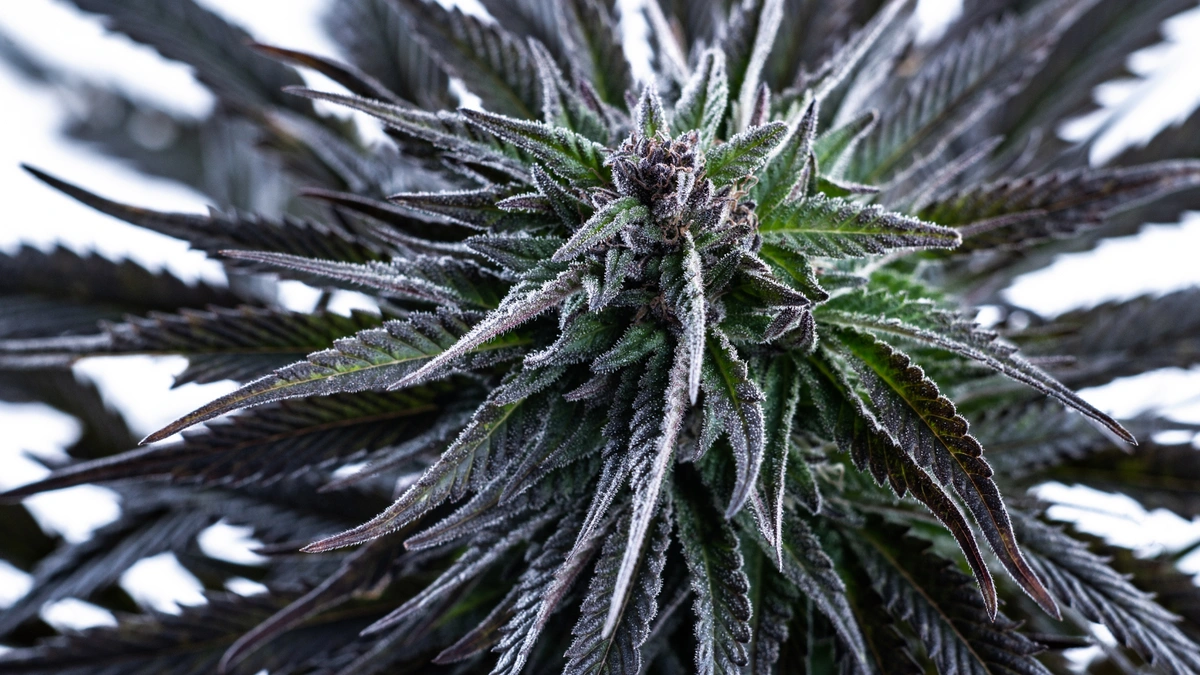
Appearance can vary because cannabis plants express different phenotypes even within the same cultivar. Environment, nutrients, harvest timing, trimming, and curing also influence the final flower. Different phenotypes and growing conditions can produce noticeable variation between batches, even when both are sold under the same cultivar name.
Blue Dream Bud Genetics and History
The original Blue Dream is believed to be a cross of Blueberry × Haze.
Blueberry contributes much of the cultivar’s recognizable berry character and indica influence. DJ Short developed the Blueberry line from Thai and Afghan genetics, with his breeding work also drawing on Oaxaca Gold.
Haze contributes the more sativa-leaning side of the cross and helps explain why Blue Dream is typically described as mentally stimulating, even while providing body relaxation.
Buy Blue Dream Flower and Cartridges
Blue Dream is available in several different cannabis formats, and the right one depends partly on how you prefer to consume.
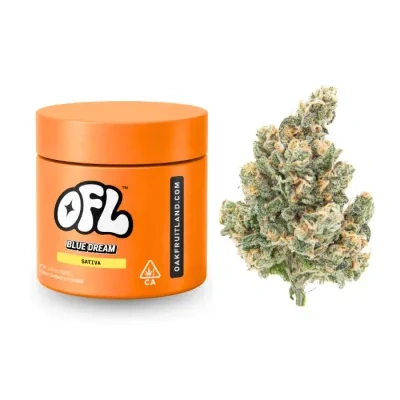
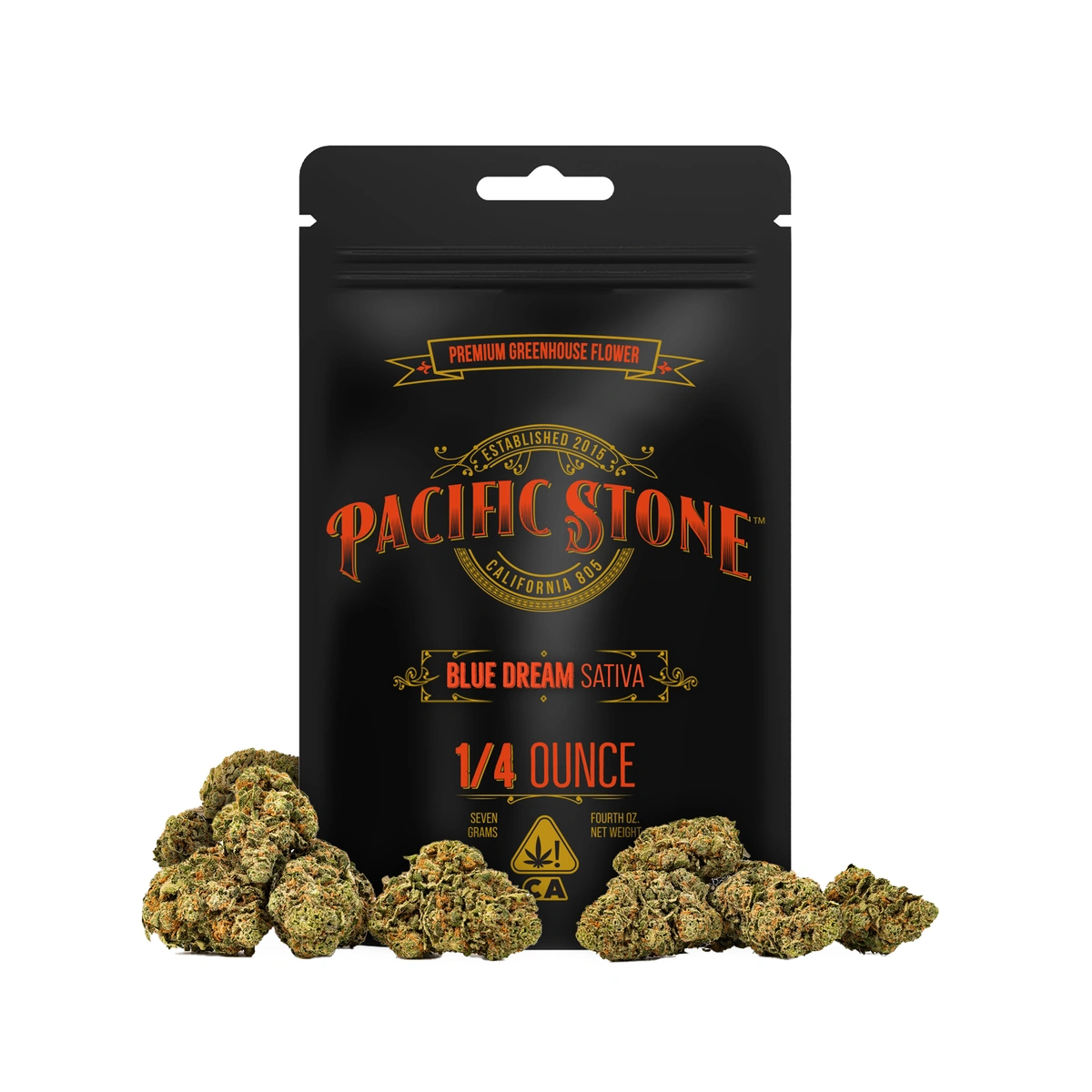
Flower provides the most traditional expression of the cultivar. When comparing flower, look at THC content, terpene information, package date, and price rather than assuming every batch will deliver the same experience. There are several Blue Dream flower options on the embarc menu, including from UpNorth, Oakfruitland, Pacific Stone, and Almora Farm.
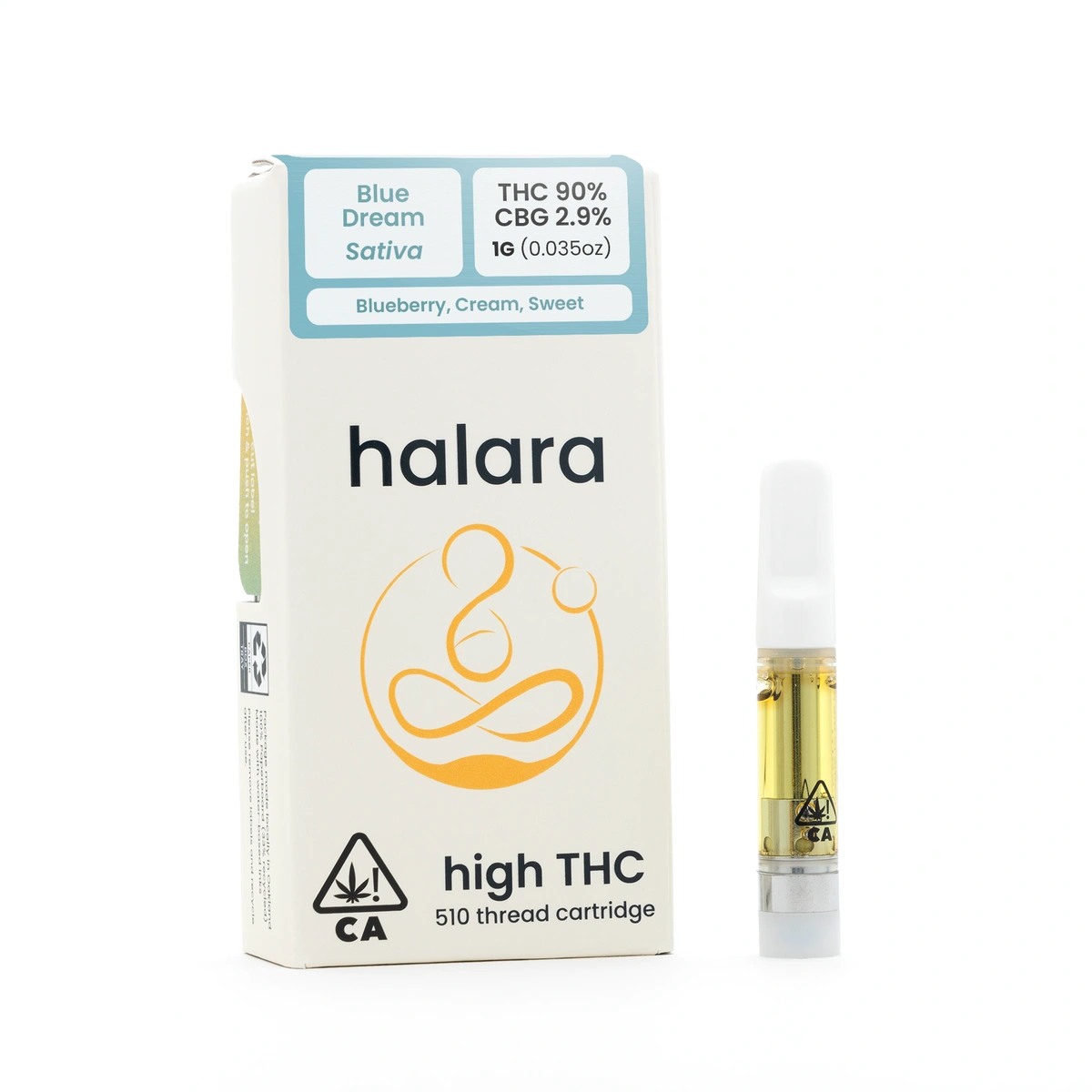
Vape cartridges and AIOs can offer a more discreet and convenient option. Some Blue Dream cartridges use cannabis-derived extracts intended to preserve elements of the original cultivar, while others may use distillate combined with a Blue Dream-inspired terpene profile. Some of the most popular Blue Dream vapes on the embarc menu include offerings from STIIIZY, Halara, Heavy Hitters, and Connected.
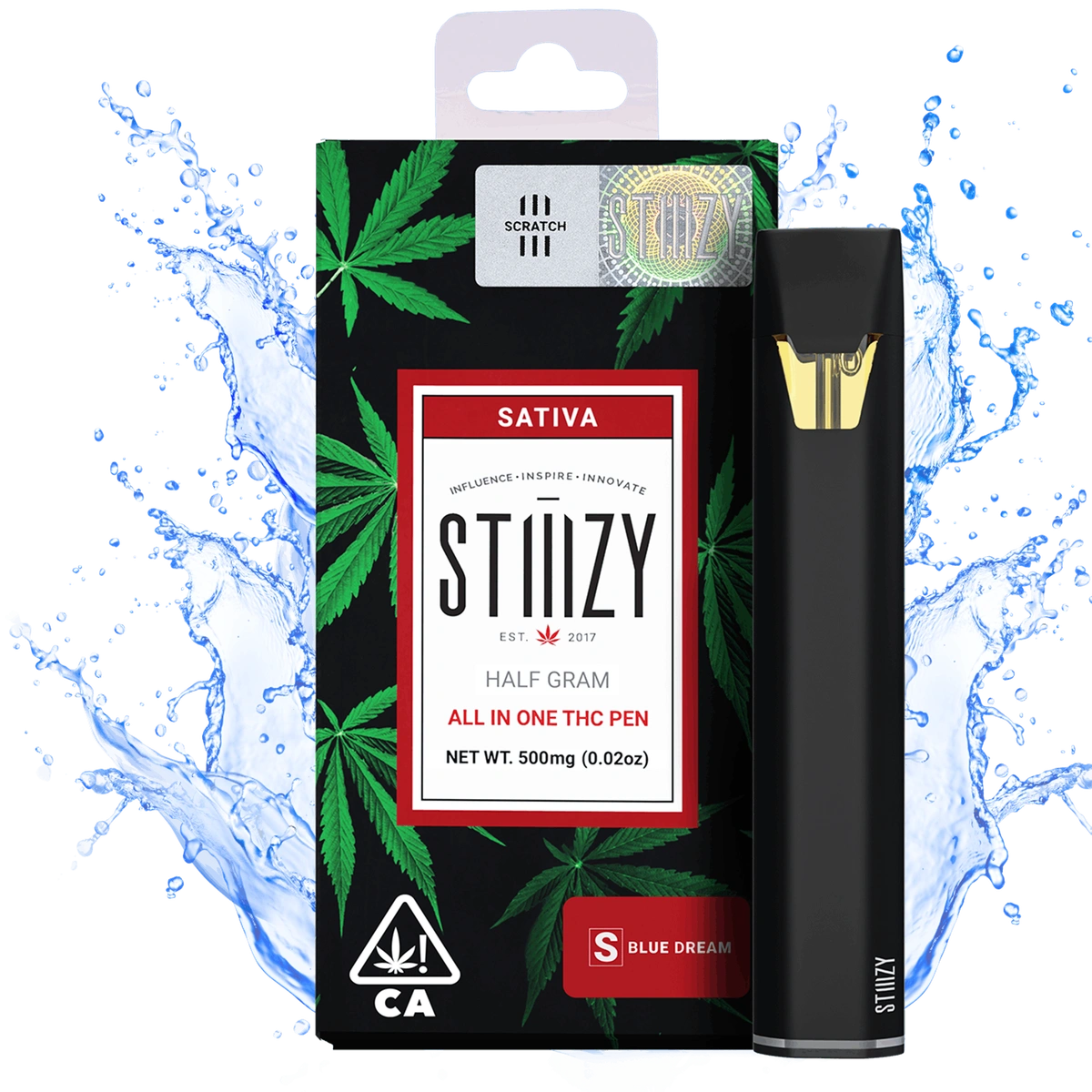
That distinction is significant. A cartridge labeled Blue Dream does not necessarily contain extract made directly from Blue Dream flower. If preserving the original plant profile matters to you, check the extraction type, ingredients, and lab information.
Serving size matters as well. Vape concentrates often contain considerably higher THC percentages than flower, so a small inhalation can deliver a larger amount of THC than a single puff of combusted flower.
When shopping, compare:
Product format
THC and cannabinoid content
Extraction type
Serving size
Terpene information
Price
Similar Strains for Blue Dream Fans
If you like Blue Dream, you have several directions to explore.
Blueberry is the obvious starting point. It leans more relaxing and indica-dominant but shares the berry-forward genetics and flavor profile that helped shape Blue Dream.
Haze varieties take the experience in the opposite direction. They tend to emphasize the more cerebral and energizing side of Blue Dream’s ancestry.
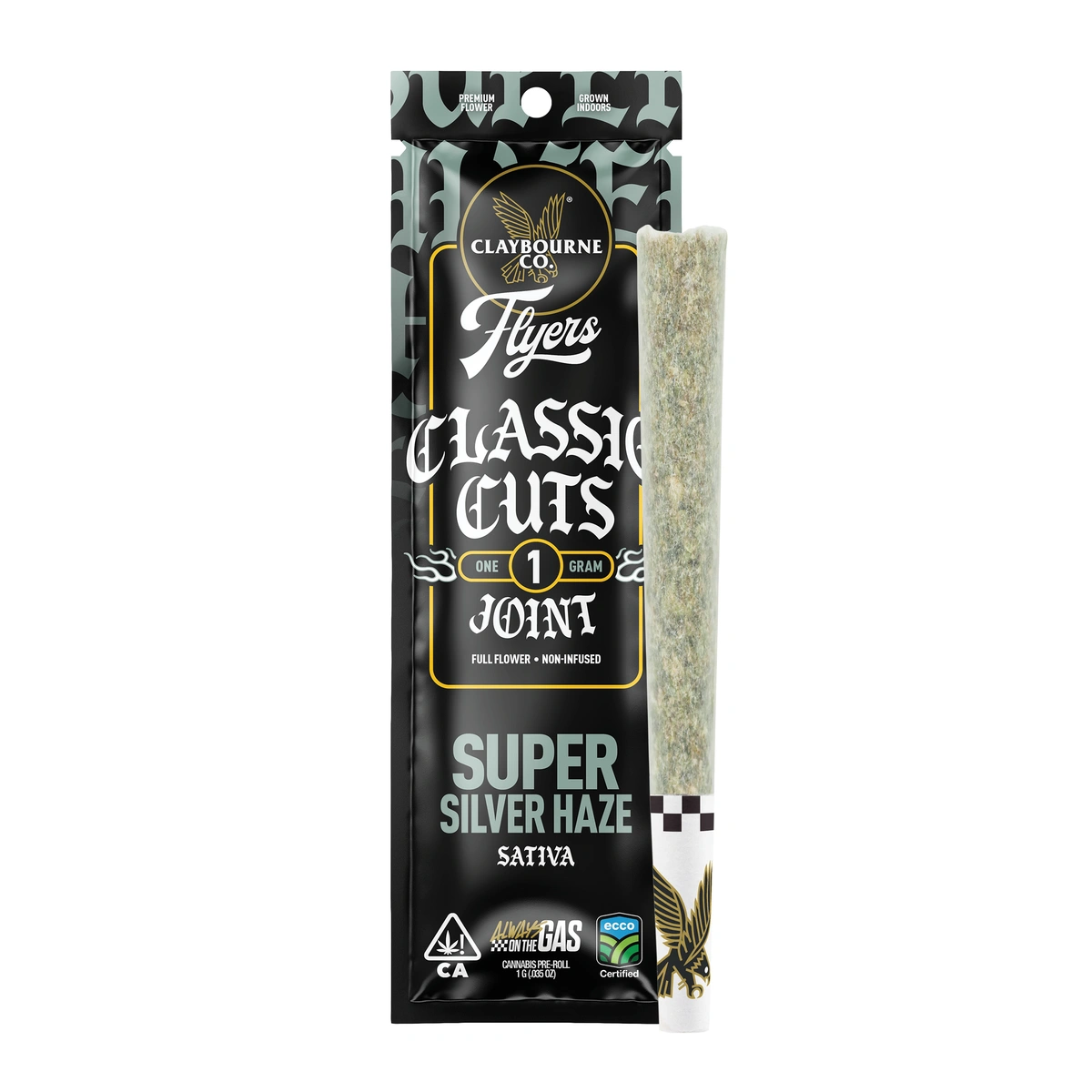
Blue Magoo and Double Dream are also commonly suggested as alternatives for consumers interested in similar flavors, genetics, or reported effects.
For newer consumers, the better approach may be to look for strains with similar reported effects and terpene profiles rather than chasing the highest THC number. A moderately potent hybrid with berry, pine, or herbal terpenes can offer a familiar direction without requiring the exact same genetics.
Frequently Asked Questions
Is Blue Dream an indica or sativa?
Blue Dream is generally classified as a sativa-dominant hybrid.
Its commonly accepted genetics combine Blueberry with Haze, giving it characteristics associated with both indica and sativa plants. Consumers often describe the result as mentally uplifting with a noticeable layer of body relaxation.
Is Blue Dream bud popular in California?
Yes. Blue Dream originated in California and became especially associated with the West Coast cannabis market. It has remained one of the best-known and most widely recognized cultivars in the state.
Is Blue Dream good for beginners?
It can be. Its balanced reported effects and widespread availability have made it popular with both newer and experienced consumers.
But Blue Dream flower can still contain substantial levels of THC depending on the batch, so beginners should pay attention to potency and serving size rather than assuming the strain name automatically means mild.
Is Blue Dream strong?
Blue Dream can be fairly potent.
Many modern examples fall comfortably into high-THC flower territory, although potency varies by grower and batch. THC percentage alone also does not determine how intense the experience will feel. Dose, tolerance, terpene profile, and individual response all matter.