


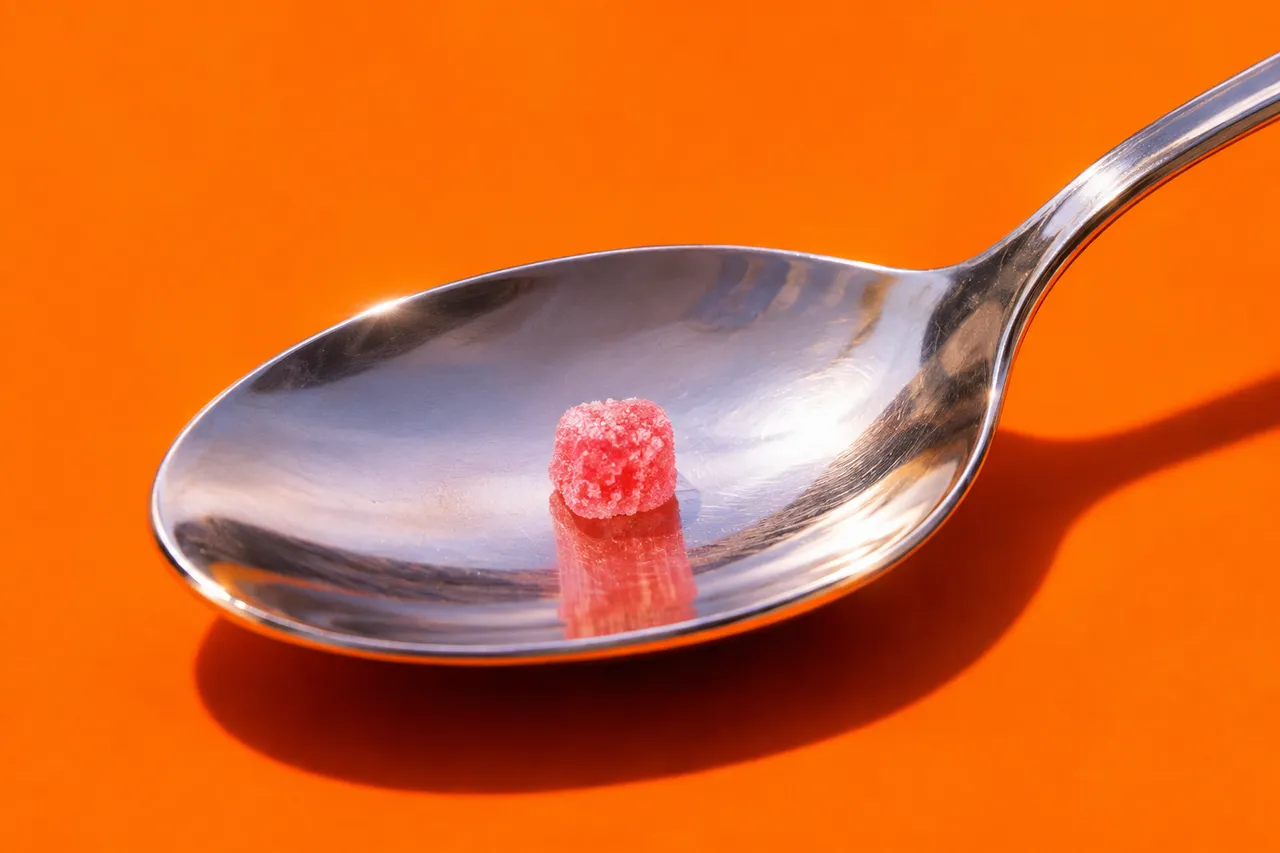
Microdosing THC and the Art of Getting Just High Enough
While there are some therapeutic uses for cannabis, some folks prefer options that don’t cause inebriation. That’s where microdosing THC comes in.
Microdosing means taking just a little bit of something to get its benefits without overt psychoactive effects. From popping a low-dose edible to smoking a 1:1 weed strain, there are plenty of ways to microdose weed.
There are plenty of low-dose options on embarc menus, and if you’re curious about the wide world of microdosing, this guide is for you.
What is microdosing?
Microdosing is simply taking a fraction of a standard dose of a given substance, typically to get therapeutic effects.
The term “microdosing” is widely applied to many substances, including psychedelics or approved medications like GLP-1s. It’s also becoming more popular in the cannabis world.
Different people can respond differently to the same dose, based on factors like age, weight, general tolerance, and other considerations. Those variables create an inconsistency that makes it difficult to define what an ideal microdose is for a given person, especially with THC.
Despite variations in how microdosing is defined, the real consideration should be the effect you’re looking for, not just taking small doses. Some products offer a mix of THC, CBD, and CBN cannabinoids to ease anything from pain, insomnia, anxiety, and more.
Why are people microdosing weed?
People often turn to microdosing to enjoy the potential benefits of THC while avoiding the overt high.
Lower doses of THC have been known to potentially reduce anxiety. For those living with chronic pain, microdosing certain strains may ease inflammation and provide pain relief.
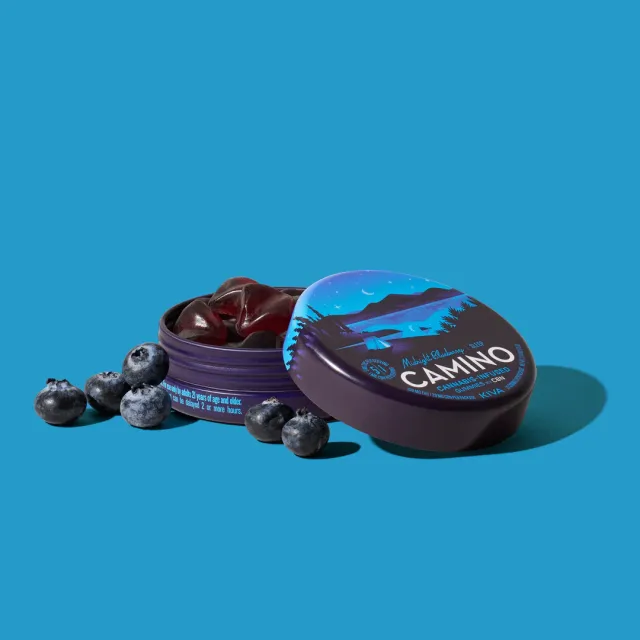
Of course, there are several low-dose THC products designed specifically to improve sleep quality, like Camino Midnight Blueberry gummies or Wyld Elderberry gummies.
How much THC is a microdose?
A microdose of THC may vary from person to person, but in general it refers to less than 2.5 mg of THC.
Here’s a quick primer on what sensations to expect when microdosing THC. Remember, every person is different, and some people are more sensitive to cannabis than others. Always start with a small dose and work your way up as side effects are possible, even with smaller doses.
THC amount | General dose category | What someone might notice |
1 mg or less | Micro-microdose | Typically below perception, with very subtle physical relaxation and little psychoactive effect. |
1 - 2.5 mg THC | Microdose | Minimal relaxation with little psychotropic impairment. |
2.5 - 5 mg | Standard Dose | Mild physical relaxation, a buzz, some impairment, slight change in sensory perception. |
5 - 10 mg | Moderate Dose | A deeper high that improves physical and mental relaxation, but could create a stronger psychoactive response for those with a low THC tolerance. |
10+ mg | High Dose | Intense physical and psychoactive relaxation effects, but could potentially cause intoxication, anxiety, or paranoia. |
How to microdose THC
The general goal of microdosing cannabis is to get the therapeutic benefits without impairment. With that in mind, you have several options. Let’s take a closer look at how to microdose THC, step-by-step.
Select your method. Today’s THC products include edibles (like a gummy or a capsule), tinctures (which can be taken directly or mixed in with food), beverages, and of course, combustible options including flower, concentrates, and vapes.
As you’re experimenting with different THC products, document what you’re feeling. People have different preferences for how much THC they take in a microdose. Some take a bit of THC once every few days. Some microdose every few hours. If you’re not getting the desired result, don’t hesitate to change it up. If you’re not feeling anything at all, make minor increases to your dose until you get to where you want to be.
With your THC delivery system identified, now it’s time to select the right product, and this is when product labels really matter. Products you buy in a dispensary, whether it’s flower or a gummy, list THC levels in milligrams (mg).
It’s much more difficult to microdose THC by smoking flower, concentrates, or a vape, because there’s no real way to control the size of the dose. Along with that, the effects of smoking THC are much more immediate than when taking an edible.
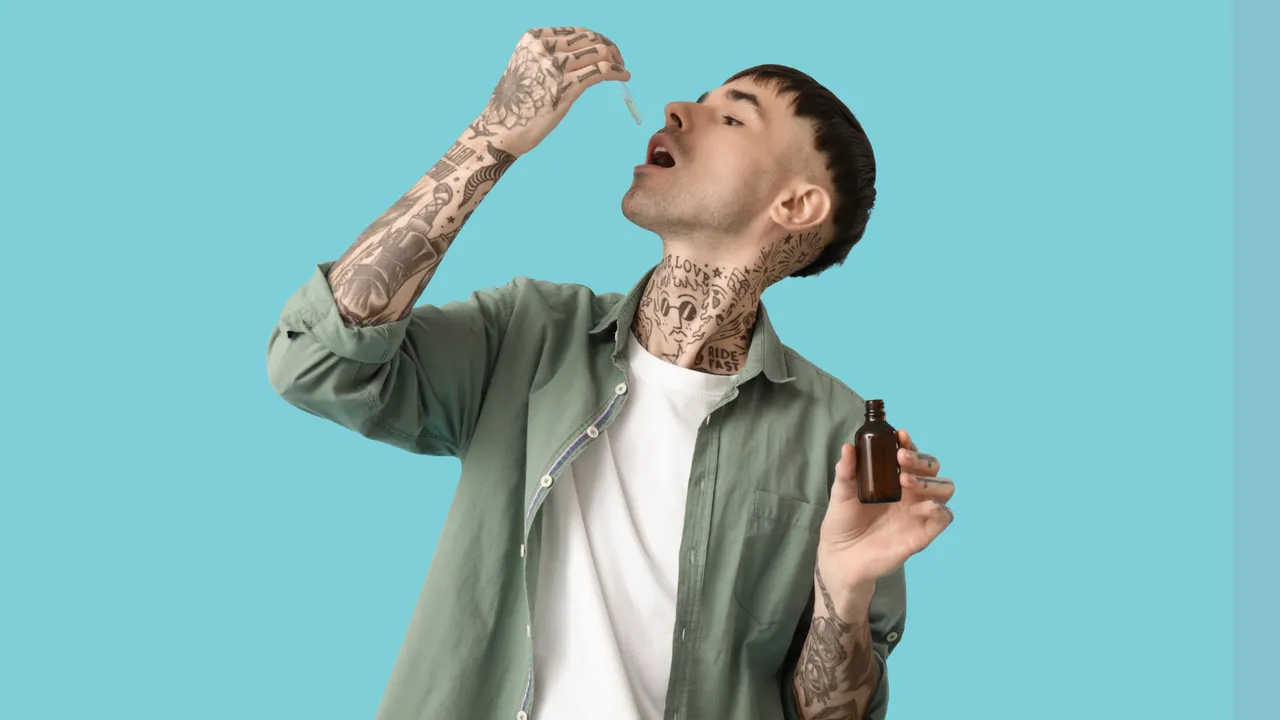
Microdosing edibles
The Rolls Royce of microdosing THC is edibles. These infused goodies make microdosing simple since each portion is already precisely dosed.
If you’d prefer to avoid smoking your THC, here’s how to microdose edibles:
There are a few different categories of edible options, and it helps to understand what each can offer. Gummies, tinctures, and beverages all have similar effects, but they also have different considerations. The biggest thing to consider is how strong you want the effects to be, and how long you’ll have to wait before feeling them.
The biggest trick is how to properly dose. You definitely don’t want to overserve yourself. The best bet is to start slow and let your system clear between sessions to see how you react. Avoid exceeding 1 mg and wait a few hours between doses. If you’ve eaten on an empty stomach, it may take longer to digest the edibles, and you don’t want to add extra doses.
Eat something before use. THC absorbs better in the fats found in the food you eat, and can have longer effects throughout the day.
Journal the journey so you can find your sweet spot a bit more predictably next time. A few things to note about your experience include the dose you took, what you ate beforehand, what you felt (even subtle effects), and how long it took to feel them. It can sometimes take 90 minutes or longer to feel the effects.
Can you microdose when smoking or vaping?
It’s tough to test what constitutes a microdose when inhaling THC smoke, especially in any sort of scientific way. However, there are some general trade-offs to be aware of.
Method | Main advantages | Main limitations |
Edibles | Clearly labeled and repeatable dose; no impact to your lungs; effects can last up to several hours per dose. | Slow onset and long duration for some; difficult to predict dosage and effect strength. |
Tinctures | Highly flexible for precise dosing; no damage to your lungs. | Potentially higher cost-per-unit; bitter aftertaste on some tincture products. |
Beverages | Easier to sip and dose; special formulas are designed to absorb quicker than edibles or tinctures. | Effects may fade faster than edibles or tinctures; require attention to the labels to follow correct doses. |
Flower | Fast-acting and provides the most natural effect of THC; wide variety of strains for different effects. | Difficult to microdose; harsh on throat and lungs; creates that telltale weed smell; effects wear off quickly. |
Vapes | Portable, clean vapor, minimal vapor, fast-acting, and high potency. | Difficult to determine how much to consume for a “microdose.” |
Concentrates | Highly potent; provides immediate effects. | The high potency makes a microdose exceedingly difficult to determine, even at the most minor levels of consumption; harsh on the lungs and throat. |
THC and CBD for microdosing
While using CBD provides added relaxation to the body and nervous system, it doesn’t cancel out the effects of THC, except at much higher doses. A 5 mg dose of THC is still a 5 mg dose. Instead, combining CBD with THC adds to the effect, bringing CBD's potential benefits, such as inflammation and pain relief, reduced anxiety, or mitigating a tolerance build-up, into the experience.
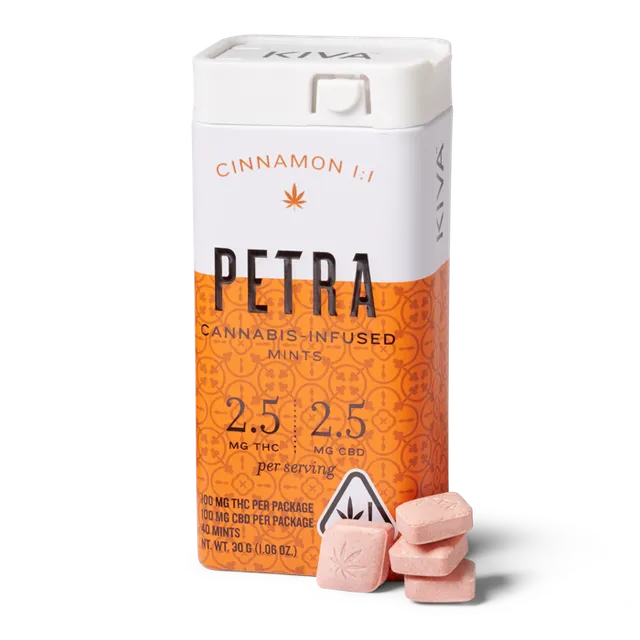
There are several 1:1 products at dispensaries containing equal parts CBD and THC. This includes Camino Balance gummies, Petra 1:1 mints, Papa & Barkley CBD/THC tincture, and Pure Beauty Gush Mints flower.
Potential benefits of microdosing cannabis
Stress relief: Studies have found that microdosing THC promotes relaxation, often with less of the anxiety or paranoia found in larger doses.
Focus: According to an article in the Journal of Medical Case Reports, low doses of THC may improve focus, creativity, logic, and reasoning.
Reduced pain and inflammation: THC interacts with pain receptors in your body to moderate how much physical pain someone feels. Microdosing THC may be effective at reducing pain and inflammation within the nervous system.
Improved appetite: Consuming THC creates a dip in your glucose levels that stimulates hunger. That’s what the munchies are.
Easier Sleep: THC may relax the nervous system in a way that promotes deeper sleep.
Microdosing THC offers a wide variety of benefits, ranging from better sleep all the way to lower inflammation and reduced anxiety. It does, however, require a bit of consideration before diving into using THC products.
While “microdosing” doesn’t have a clear definition, following a few basic usage guidelines can help you find the effect that’s right for you. Next time you're at your local embarc dispensary, ask your friendly embarc Guide about THC microdosing.