


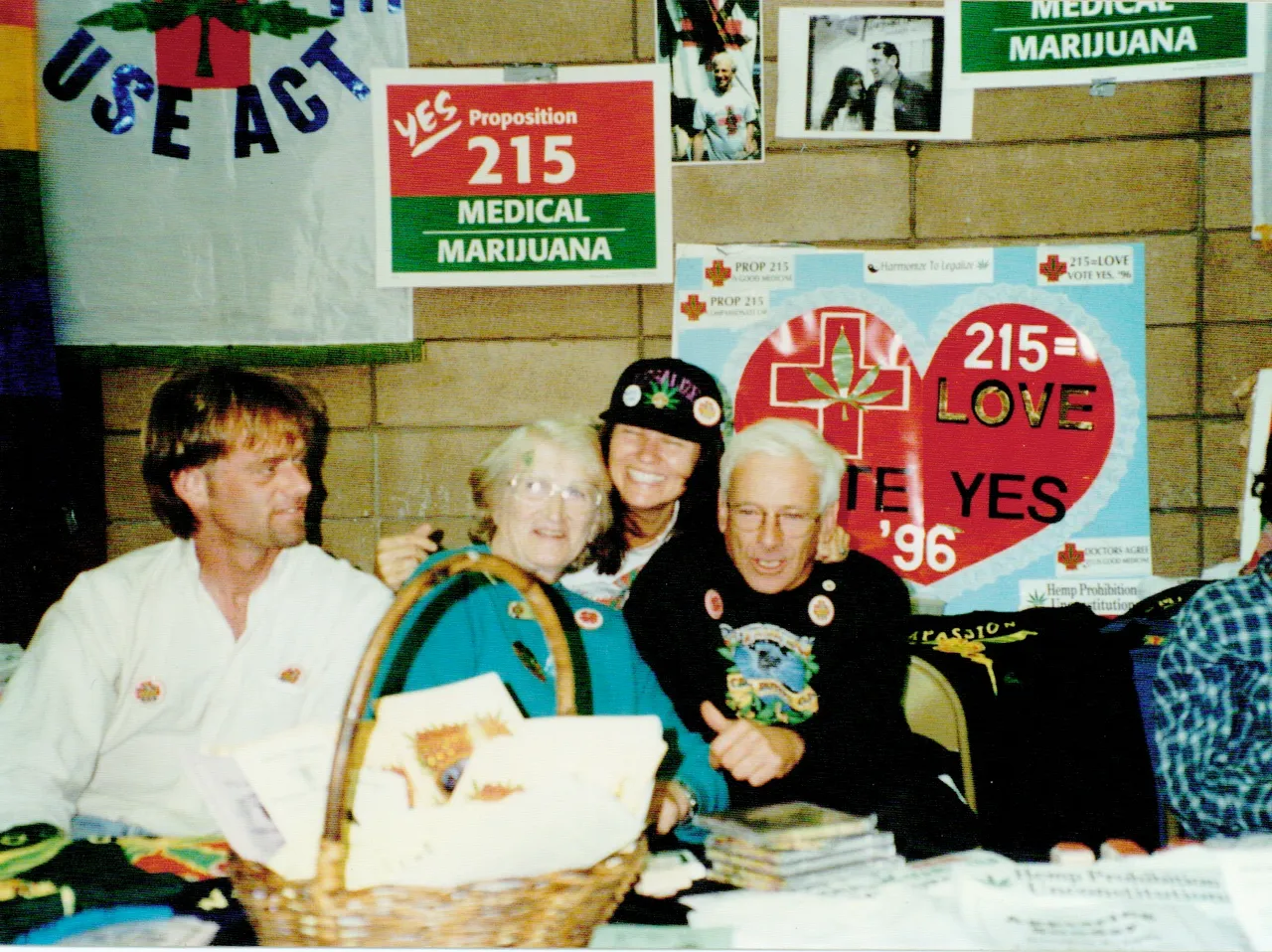
Prop 215 Turns 30: The People Who Changed California Cannabis
Thirty years ago, California voters made history by giving seriously ill patients the right to use medical cannabis without fear of prosecution under state law. Today, dispensary shelves are stocked with everything from THC-infused sodas to solventless concentrates. But in 1996, possessing even a small amount of weed could land someone in jail.
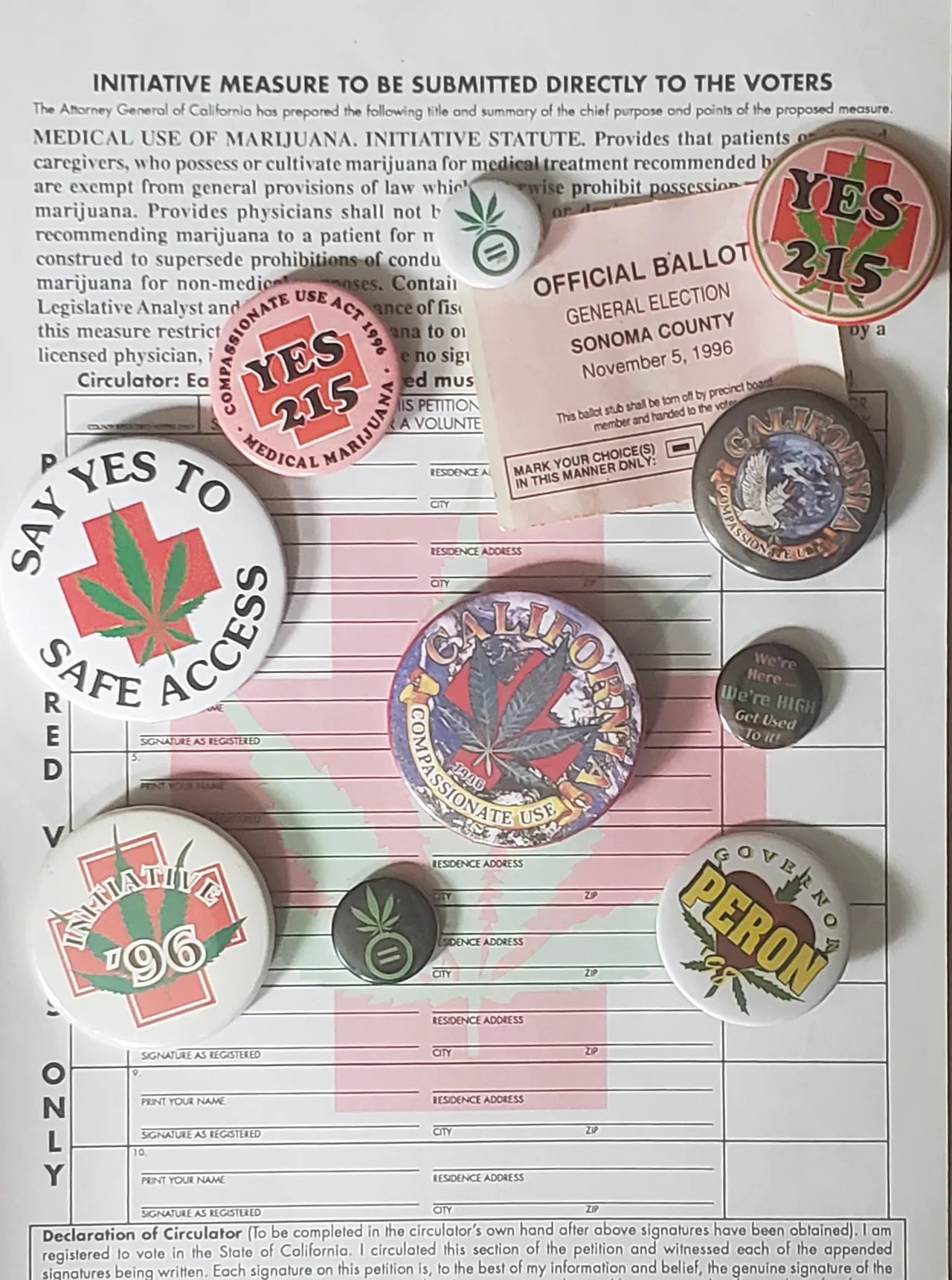
On November 5, 1996, California voters took to the ballot box and passed Proposition 215, also known as the Compassionate Use Act, by a margin of 55.6%. The measure made California the first state to legalize medical marijuana through a statewide vote, paving the way for cannabis reform across the country.
From the Castro to the Capitol
The story begins in San Francisco, where Dennis Peron was assisting people suffering from AIDS, cancer, and other serious illnesses in accessing something that was actually helping them: cannabis.
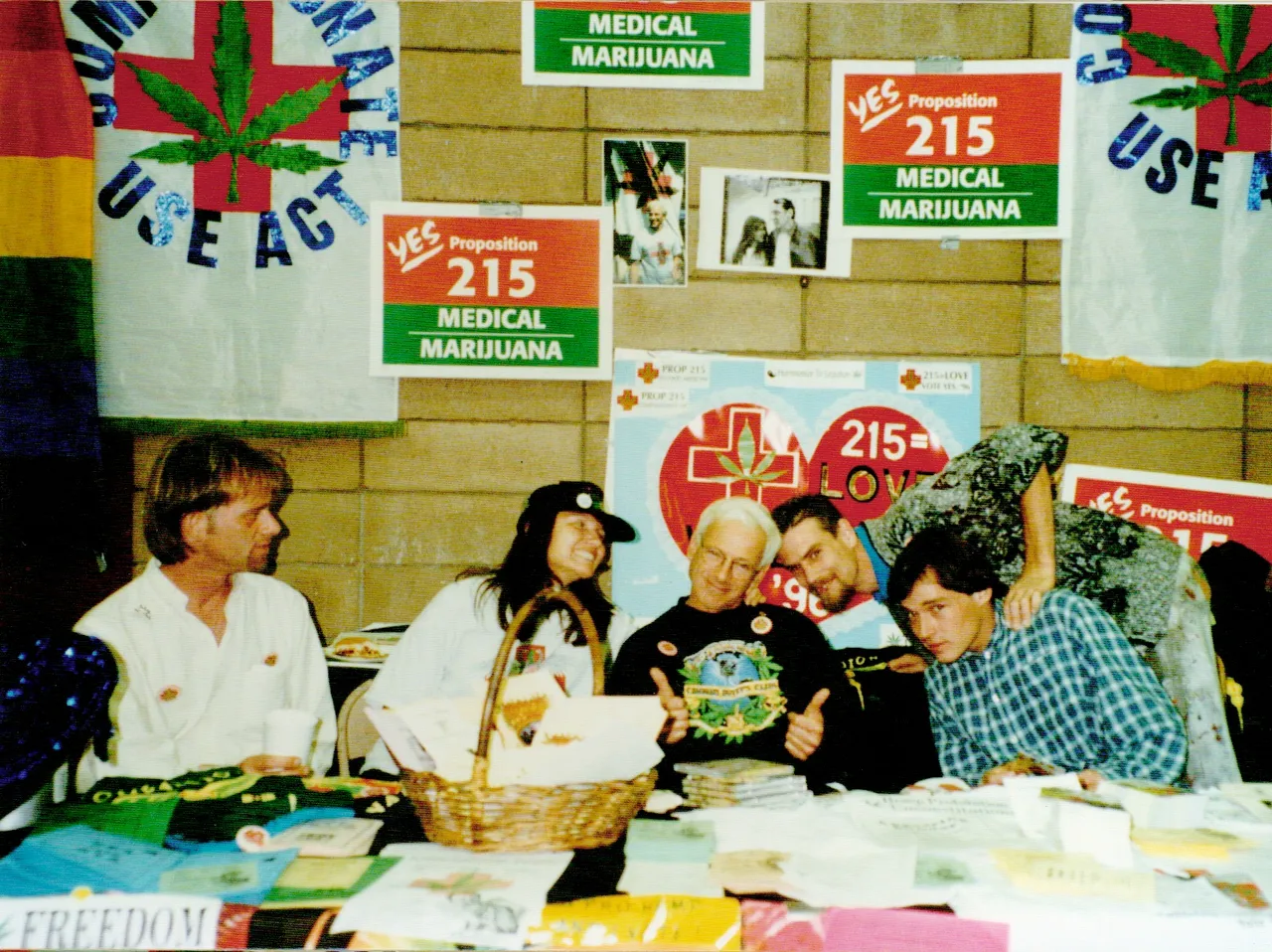
After losing his partner to AIDS in 1990, Peron became even more determined to change laws that criminalized patients. In 1991, Peron helped pass San Francisco's Proposition P, an advisory measure supporting medical cannabis access that laid the groundwork for the statewide campaign.
By 1992, he had established the San Francisco Cannabis Buyers Club, a historic spot that eventually became one of the country's first openly operating medical marijuana dispensaries. Most importantly, though, the club was providing cannabis to seriously ill patients, and doing so came with considerable legal risks.
Working alongside Peron was Mary Jane Rathbun, better known as Brownie Mary. As an activist, she became famous for baking cannabis-infused brownies for AIDS patients, earning herself several arrests along the way. In 1993, she and Peron even published a cannabis cookbook that blended recipes with advocacy.
The People Behind Prop 215
Peron and Brownie Mary may have been two of the most recognizable faces behind Prop 215, but they certainly weren't working alone. Valerie Corral, co-founder of the Wo/Men's Alliance for Medical Marijuana (WAMM) in Santa Cruz, helped write the initiative after using cannabis to manage epilepsy. California NORML director Dale Gieringer, physician Dr. Tod Mikuriya, and nurse Anna Boyce were among the many others involved.
Not everyone was thrilled with the idea. California Attorney General Dan Lungren opposed the measure, and state agents raided Peron's Cannabis Buyers Club just months before the election. Peron was even arrested again in October 1996, less than a month before voters headed to the polls.
How Prop 215 Changed California Cannabis Laws
Prop 215 allowed qualifying patients and their primary caregivers to possess and cultivate cannabis with a physician's recommendation. It did not establish a regulated dispensary system or legalize recreational use. Those developments came later, including the passage of Proposition 64 in 2016.
The legislation also didn't eliminate conflicts with federal prohibition, and federal enforcement continued for years after its passage. But it established protections under California law and helped lay the groundwork for medical cannabis programs across the country.
Celebrating 30 Years of Compassion
In 2026, California is celebrating three decades since the Compassionate Use Act passed. At the California Cannabis Awards at the State Fair in July, dozens of Prop 215 activists were honored with the Pebbles Trippet Lifetime Achievement Award, bringing some of the movement's earliest advocates back into the spotlight.
Dale Gieringer spoke on behalf of the group during the awards show in a poignant, powerful moment that reminded everyone present how far the community had come. Three decades after activists risked arrest fighting for medical cannabis, the movement's pioneers were being honored at the California State Fair.
Today's California cannabis market would be almost unrecognizable to the activists who fought for Prop 215. But behind every dispensary shelf stocked with flower, concentrates, and edibles is a legacy of patients and advocates who refused to accept the status quo. Thirty years later, their fight for compassion is still worth celebrating.