


Why Does Weed Make You Hungry? The Munchies Explained
If you've ever smoked a joint and suddenly found yourself standing in front of the refrigerator debating whether pickles and ice cream belong on the same plate, you're not alone.
Cannabis has a well-earned reputation for turning ordinary snacks into culinary masterpieces. The phenomenon is so common that it even has its own nickname: the munchies.
But why does weed make you hungry in the first place?
The answer has a lot to do with THC, the body's endocannabinoid system (ECS), and the way cannabis influences appetite, reward, and even how we experience taste and smell.

If you've ever reached for salty snacks and sweet treats while stoned, you're not alone.
What Are the Munchies (Weed)?
“The munchies” are also known as the increased appetite many people experience after consuming cannabis.
For some, this means feeling hungry shortly after smoking or consuming an edible, even if you weren’t just a few minutes before. For others, it shows up as intense cravings for highly flavorful treats: particularly sweet foods, salty snacks, and other comfort foods.
The effect is usually temporary, but it's also one of the most common cannabis experiences reported by consumers.
While not everyone experiences weed munchies the same way, THC potency, dosage, and individual biology can all influence how strong the effect feels.
How THC Interacts With the Endocannabinoid System
Why does marijuana make you hungry? First, it helps to understand the ECS.
The ECS is a complex network of receptors and neurotransmitters that plays a role in regulating everything from mood and sleep to pain, memory, and appetite. One of its primary jobs is maintaining homeostasis, or internal balance, within the body.
THC interacts directly with CB1 receptors located throughout the brain and nervous system. When THC binds to these receptors, it alters brain signaling involved in appetite regulation, reward, and sensory perception.
One important area affected is the hypothalamus, a region of the brain that helps control hunger and energy balance. THC may also influence dopamine pathways and the brain's reward system, making food feel more appealing and satisfying.
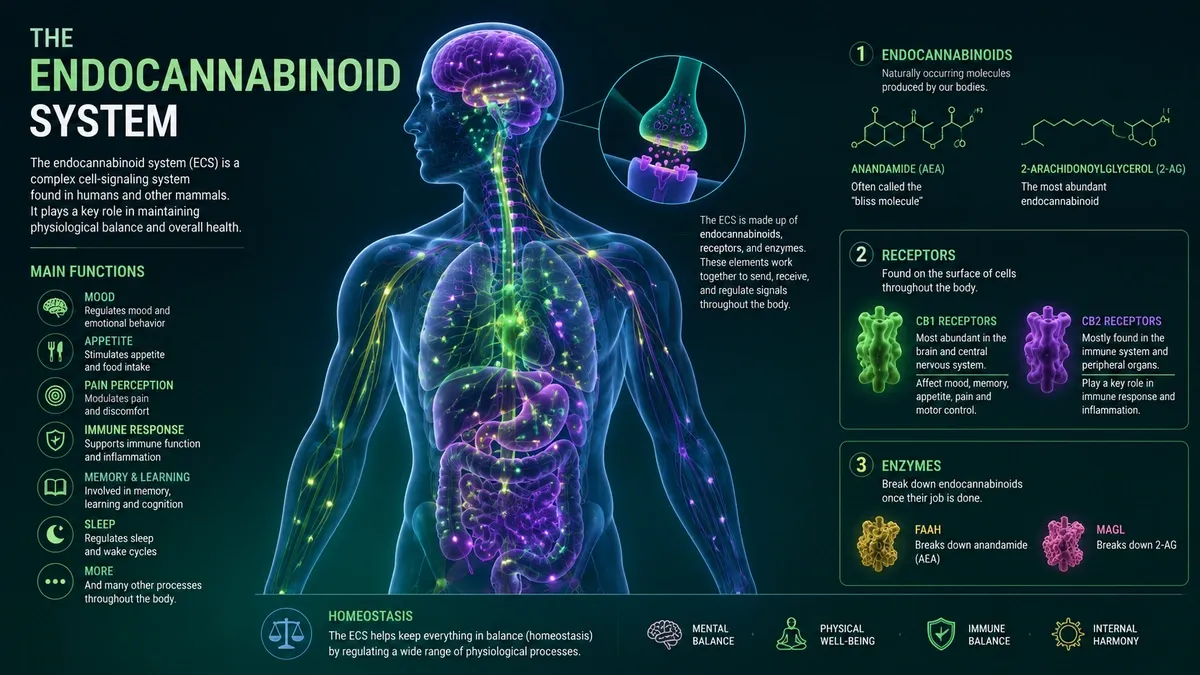
The endocannabinoid system, explained.
Why Cannabis Increases Appetite
Basically, cannabis can make your mind think food is more rewarding than it usually feels. It tricks your brain into believing you need a snack even if you don’t.
THC's appetite-stimulating effects appear to influence hormones and signaling pathways involved in hunger, including ghrelin, sometimes called the "hunger hormone." Researchers believe cannabis and ghrelin work together to increase ghrelin production in some circumstances, contributing to appetite stimulation.
At the same time, THC activates reward pathways that can make eating feel especially pleasurable. This combination of physical hunger signals and reward-driven eating helps explain why cannabis appetite increase can be so common.
Why Food Tastes Better When High
The munchies aren't just about hunger. Cannabis may also enhance sensory perception, particularly smell and taste. Research suggests THC can increase aroma perception and flavor intensity, making foods seem richer, sweeter, saltier, or more satisfying.
Because smell plays such a major role in flavor, heightened sensory awareness can make even familiar foods feel unusually appealing, and that’s one reason why food tastes better high for many consumers.
Do All Cannabis Strains Cause the Munchies?
Not necessarily.
THC potency can play a role, but strain variability matters too. Different cultivars contain unique cannabinoid and terpene profiles that may influence appetite in myriad ways.
Some cannabis strains appear to stimulate appetite more strongly than others, although individual responses can vary considerably. High-THC cultivars are often associated with stronger munchies, while certain strains rich in THCV (a cannabinoid sometimes called “diet weed”) may have a different effect. For example, Durban Poison is frequently cited as a strain that feels less appetite-stimulating than many THC-heavy indicas and hybrids.
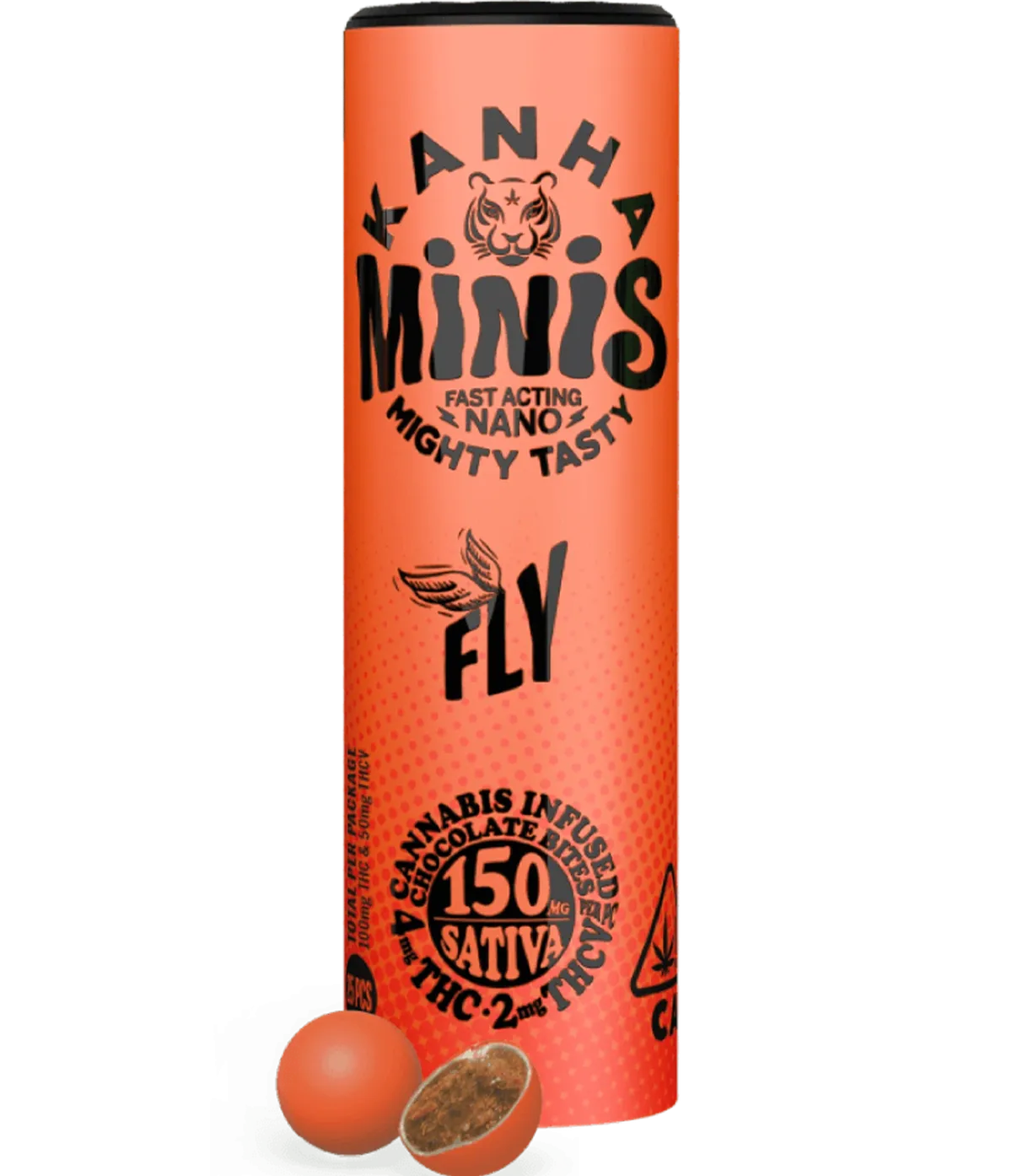
Cannabis consumers who want to avoid the munchies may reach for THCV products.
Does CBD Cause or Reduce the Munchies?
You might be wondering, "Does CBD cause munchies?” Unlike THC, CBD does not strongly activate CB1 receptors, which are largely responsible for the appetite stimulation associated with the classic weed munchies. That's why CBD products typically don't send consumers straight to the pantry looking for snacks.
Some research suggests CBD may even influence appetite differently than THC, though scientists are still working to understand exactly how. While THC is generally associated with increased hunger, CBD appears to have a more subtle relationship with appetite. That might be why CBD-rich products tend to feel very different from traditional high-THC cannabis.
Why Medical Cannabis Patients Benefit From Appetite Stimulation
For some medical cannabis patients, appetite stimulation can be especially beneficial.
Cannabis has been explored as a tool for managing appetite loss associated with chemotherapy, chronic illness, nausea, and conditions involving cachexia, a syndrome characterized by severe weight loss and muscle wasting.
Can You Avoid the Munchies?
If you're trying to avoid cannabis-induced snacking, a few simple strategies may help:
Choose lower-THC products or higher THCV strains
Consider CBD-rich products
Eat a balanced meal before consuming cannabis
Stay hydrated
Keep healthier snacks available
Practice mindful eating
While there's no guaranteed way to eliminate the munchies entirely, these habits might help reduce their intensity.
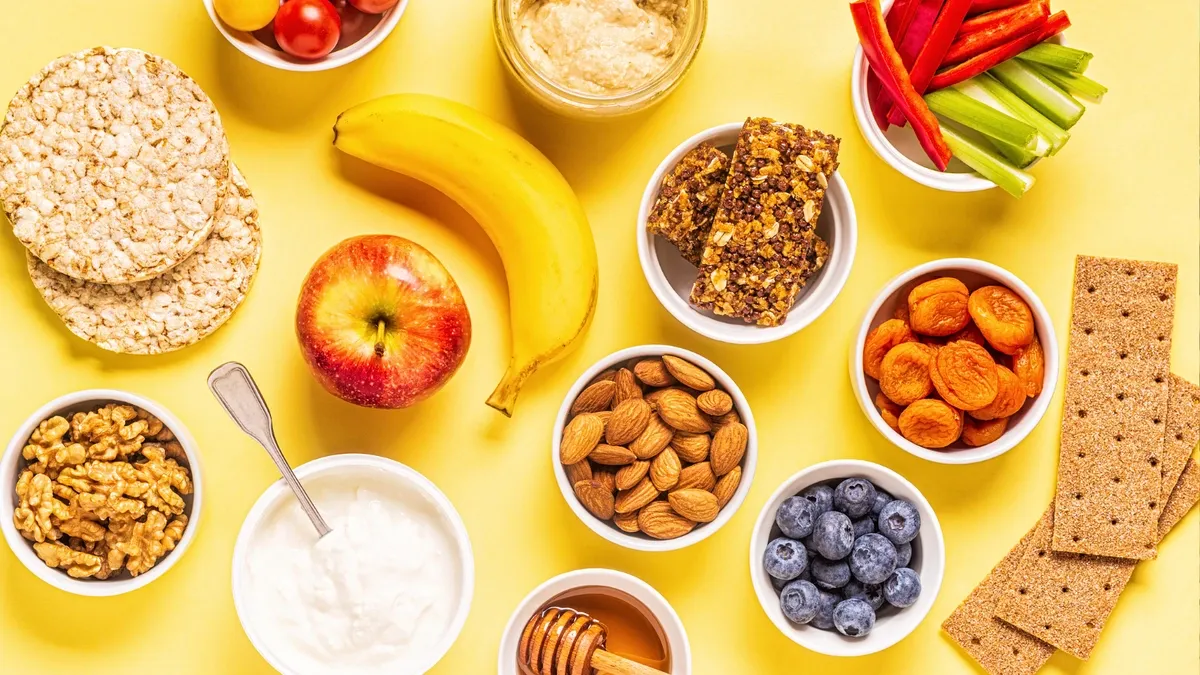
The munchies doesn't have to be problematic if you eat the right things.
Frequently Asked Questions (FAQs)
Does indica or sativa cause more munchies?
Neither category consistently causes more hunger. THC levels, terpene profiles, dosage, and individual response tend to matter more than whether a strain is labeled indica or sativa.
Why do edibles make me hungrier?
Edibles often produce longer-lasting and sometimes stronger THC effects than smoking, which may increase appetite stimulation and food cravings. The munchies are a very common side effect of eating edibles.
Why do I crave junk food when high?
THC activates reward pathways in the brain and can make highly palatable foods feel especially satisfying, which may increase cravings for sweet or salty snacks.
Does weed increase your metabolism?
Current research is mixed. While cannabis influences appetite and energy regulation, there is no clear evidence that cannabis dramatically increases metabolism.
Can cannabis help appetite disorders?
Cannabis has been studied for appetite stimulation in certain medical contexts, but anyone considering cannabis for appetite-related concerns should consult a healthcare professional.