


How To Water And Flush Marijuana Plants
The marijuana industry is projected to grow to almost $40 billion in 2024! The competition is fierce, and cultivation and harvesting techniques are what set the pros apart and bring in the most revenue.
Beyond more complex grow techniques, like choosing the right lights for your grow operations, how you water and flush your plants has a huge effect on harvest output and bud quality.
Fortunately, we’re here to show you how to water and flush marijuana plants like a professional. Getting it right may require trial and error, but this guide will help you create a watering and flushing routine perfect for your plants, climate, and weed strains.
Importance Of Proper Watering
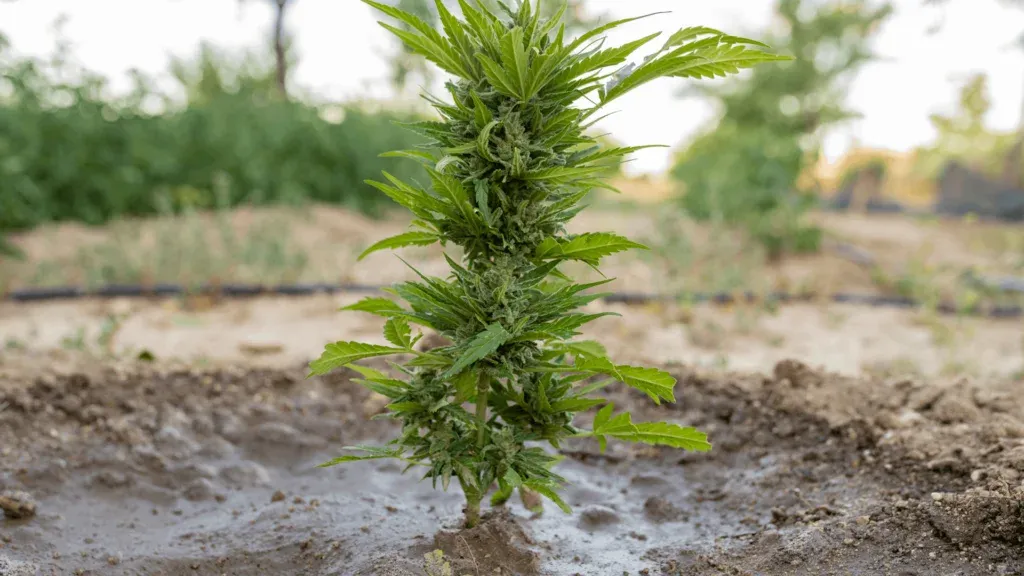
Marijuana plants, like all other living organisms, need water. Water transports nutrients to the plant roots. There, it travels up the plant roots, through the plant stems, and into the branches and leaves. It fuels growth, bud production, and life.
If plants aren’t receiving the right amount of water—over-watering or under-watering—they won’t grow and produce high-quality buds.
There is no one-size-fits-all approach to watering cannabis. Different strains have different needs. The environment, growing medium, and grow operation also affect how long the soil stays moist and how fast the water evaporates.
To properly water your cannabis plants and keep them in peak condition, you need to learn more about water, its role in the cannabis plant life cycle, and how to adjust to your plant’s watering needs.
How Much Water Do Cannabis Plants Need?
There are four stages of marijuana plant growth, and optimal growth in every stage is essential to producing high-quality marijuana.
Each stage has different watering requirements.
Germination: Germination is the first 3 to 10 days of plant life. It’s a very fragile period, and over- or under-watering can cause the seed to stay dormant. During this stage, you only need to water the seeds every 4 to 7 days. Don’t water them every day. You’ll drown them.
Seedling: The seedling period is 2 to 3 weeks after the germination period. This is when the seed sprouts leaves and develops a delicate root system. Again, water the plants only every 3 to 7 days. The root system is still small and can’t absorb a lot of water. Too much and you’ll drown the seedlings and stop the plant’s growth.
Vegetative: After the seedling period, the next 3 to 16 weeks (depending on your weed strain) are the vegetative stage. Your plants are strong enough to be potted and are developing rapidly. Because they need more fuel and have a stronger root system, you can water them every 2 to 4 days.
Flowering: The last stage, the flowering stage, lasts 8 to 11 weeks. It’s during this time that your cannabis plants focus less on growing vertically and more on producing cannabis buds. At this time, you’ll have a full-grown cannabis plant. You can water it every 2 to 3 days.
Best Time Of Day To Water Cannabis
Cannabis plants aren’t too picky about what time of day you water them. There is no optimal 30-minute period where they absorb more water.
What they are picky about, however, is the weather. If your plants are in a grow room with a moderate temperature the entire year round, you can water them any time of the day.
In summer, water outdoor plants in the early morning or late evening, when the sun isn’t blazing, and the temperature is cooler. If you water the plants when the temperature is too high, the necessary water will evaporate before the plants can use it.
In winter, it’s the opposite. Water the plants in the middle of the day, when the sun is at its zenith. Too early or too late in the day, and the water will be too cold for the plant root system. It can shock them and negatively affect plant growth.
The Best Way To Water Cannabis
There are three main ways to water cannabis.
Spray: Spray watering is when growers use a watering can or a spray nozzle attachment on a hosepipe to diffuse the water stream. It works best during the early stages of plant growth when root systems are still fragile.
Manual: Manual watering is, as the name suggests, manually watering your plants with jugs or hoses. This method is best during or right after the vegetative stage, when the plants are sturdier and need more water. They can also handle a harder stream of water. Still, it’s important to be gentle. Add the water to the soil slowly and keep the stream low.
Drip: Drip watering is an irrigation system that continuously drips water onto cannabis plants. You can use these irrigation systems during every stage of plant growth but they require substantial capital. If you have a large grow operation, an automated watering system could be a brilliant investment.
Considering Water Quality
When watering your cannabis plants, you also need to consider the quality of the water.
If possible, use natural water deposits, like rainwater collections or groundwater. Test the water and ensure it’s between 6 and 6.8 on the pH scale. If it’s out of range, it could cause a nutrient lockout.
All water contains minerals and nutrients, and if you’re not careful, your cannabis plants might inadvertently get too much of one and too little of another. Test your water source to make sure there isn’t an overabundance of the minerals.
Temperature can also affect plant growth. Keep the water between 68 °F and 74 °F. Straying too far from this range can stress the root system and shock the plants.
Knowing When Your Cannabis Plants Need Water
As helpful as this guide is, it’s developed on averages. Your weed strain, grow setup, and unique climate will all affect how your cannabis plants absorb water.
To master watering your plants, it’s important to understand what under-watering and over-watering look like and how to fix them.
How To Check the Soil
First, you need to know how to check your soil water levels. There are two ways to do this.
Finger test: For the finger test, push your finger an inch or two into the soil. At that depth, you’ll be able to feel if the soil is dry or moist.
Water weight test: The next method takes some time to develop, but you’ll get there. First, pick up your unwatered pots and get a feel for the weight. Repeat the process with a recently watered pot. As you develop your senses, you’ll be able to tell when the pot is too light and in need of more water.
Symptoms Of Under-watering Cannabis
Use the above tests to see if your plants are getting enough water. If the soil is dry at two inches deep or the pot is very light, the plants need water.
If you are consistently under-watering your plants, it’ll show on the plant leaves. Under-watered plants develop sickly yellow leaves and a brittle texture. The plants will also look weak and droopy.
How To Correct Under-watering
If the soil is very dry, don’t add a lot of water back into the soil in one go. It can waterlog the soil and shock the plant roots.
Instead, spray water on the soil and let it sit. Check on the plants after 30 minutes. If all the water has been absorbed and the soil still feels dry, repeat the process. Slowly introduce more water to the plant until it looks healthy again.
You can also maximize water absorption and reduce evaporation by spraying the plant’s leaves and stems with water.
Symptoms Of Over-watering Cannabis
Plants can drown if they’re given too much water. If the soil is waterlogged, there is no space for oxygen, which the roots need to breathe.
Again, use the above tests. If the soil is very moist with the finger test, then it doesn’t need water. If the pot is heavy, same thing.
If you’re consistently over-watering the plant, the leaves will droop, and the plant will look heavy. The leaves also tend to develop a deep green tone and curl at the tips. In severe cases, mold develops on the stem.
Correcting Over-watering
To save your drowning plant, stop giving it water for a few days–just until the soil isn’t waterlogged.
During this time, create air pockets in the soil by tilting the cannabis pot and shifting the soil around. If you can, loosen the topsoil with a mini-rake. Be careful not to damage the root system. Take your time, and work slowly.
If the soil is waterlogged and you worry about the plant’s health, you can also repot the cannabis plant. Add extra dry soil and pour out as much of the water as possible.
Otherwise, just give the plant time. Do the finger test and wait until the soil is dry before watering the plant again. Make sure not to waterlog the soil again and keep an eye on the foliage’s development and color.
What Is Flushing Cannabis Plants?
Flushing is the process of cleaning cannabis plant roots. It cleans the soil and roots of all the nutrients, minerals, and supplements added to the water during the seedling-to-flowering stage.
When flushing, use clean water with no additives. The goal is to remove all buildup and leave only the natural water and soil nutrients behind.
Reasons To Flush
Flushing sounds like a lot of work, right? But it can also be very beneficial and work as a remedy for common cannabis issues.
Over Feeding
Overfeeding or fertilizer excess is a common issue that can, luckily, be fixed through flushing. It’s caused by growers adding too much fertilizer or plant growth regulators to cannabis plants. This leads to a buildup of nutrients that sickens the plant and disrupts bud development.
Common symptoms include yellow or brown leaves, strange spots on the stem or leaves, stunted growth, and twisted leaves.
The only way to see which nutrient is clogging up your soil is by doing a soil nutrient test. Luckily, if you accidentally overfed your cannabis plants, you can flush the soil, remove the buildup of nutrients, and start again—this time without being as heavy-handed with the additives.
Nutrient Lockout
Nutrient lockout happens when there is an imbalance in nutrients.
Unlike overfeeding, which is caused by an overabundance of a lot of nutrients, nutrient lockout happens when a few nutrients build up in the soil or there’s a severe deficiency in one or two essential nutrients.
This imbalance causes plants to lock out other nutrients and slowly wither.
We have a guide on common cannabis nutrient deficiencies, which can help you determine which nutrient you’re lacking or have too much of. Once you know which nutrients are causing the issues, you can flush the soil and start anew.
After flushing, shift to a solution with a better nutrient balance and add a milder mix to your soil. We also recommend regularly testing your soil to catch any imbalances early on.
Before Harvest
If you’ve ever smoked marijuana that made you cough a lot and had a sharp, throat-burning taste, then you’ve smoked cannabis that wasn’t flushed before harvest.
Flushing is done a week or two before harvest. It’s an essential part of a grower’s job and is the difference between a good and great bud. The process removes the added nutrients and fertilizer in the soil and on the roots. This encourages the plants to use stored nutrients instead.
If you don’t flush the crop, the buds will produce a harsh aroma and flavor that nobody wants to smoke.
How To Flush Cannabis Plants The Right Way
To ensure the best crop and safe flushing, let’s look at how to flush cannabis plants the right way.
If you’re not sure when to flush your crop, just look at the resin trichomes on the bud. If the trichomes have developed a milky color, it means they’re close to harvest and perfect for flushing.
Soil And Coco Mediums
To flush soil and coco peat mediums, all you need to do is replace your usual nutrient watering solution with normal water. Water the soil as you normally would 7 to 10 days before harvest.
During the flush, make sure you don’t over-water your plants. Give them the same amount of water as you normally would. It’s also important to water your plants at the same time as you usually would.
Continue using normal water and your usual watering schedule until harvest.
Hydroponic Systems
With hydroponic systems, flush the cannabis crop 5 to 7 days before harvest. Follow the same steps as above: replace your growth solution with normal water and continue to use normal water on your usual watering schedule until the day of the harvest.
If your plants get lighter in color during the flushing phase, whether in soil or hydroponic systems, don’t worry. It’s normal for them to lose a little color as the nutrients wash away. That being said, the yellowing should not reach your buds or wilt the plant. Harvest before then.
Common Mistakes To Avoid With Flushing Cannabis Plants
Flushing, especially as a beginner, can feel intimidating. Do it wrong, and you can damage your crop.
You can avoid losing your crop by checking for these common mistakes.
Get the timing right. First, you need to get the timing right. Flushing too early or too often can take away necessary soil nutrients. So, wait until the cannabis trichomes are milky. Also, don’t flush for nutrient lockout or overfeeding unless necessary. Always try reducing nutrient solutions before flushing.
Don’t flush the amended soil. Amended organic soil already has the right amount of nutrients your plants need. It also has well-developed but sensitive ecosystems, perfect for healthy plant growth. You don’t need to flush it.
Use the right water. Test your flush water before flushing your crop. Make sure the pH is between 6 and 6.8.
Track your progress. Flushing and growing in general involves a lot of trial and error. Track your progress, get a feel for what works and what doesn’t, and develop your skills until you instinctively know what your crop needs. Take your time figuring out why your cannabis plants are doing what they’re doing.
Conclusion
As the cannabis industry’s market value grows and consumer expectations rise, optimizing your crop is essential. Complex growing processes aside, how and when you water your cannabis crop has a big impact on the quality of your yield.
Different growth stages have different watering needs, and it’s important to meet those needs and avoid under- or over-watering. Cannabis soil flushing is also necessary to combat overfeeding, nutrient lockout, and preharvest nutrient buildup.
The more you know, the better you’ll get at watering plants, noticing issues before they become unsalvageable, and flushing your plants for the highest quality harvest.
Curious about what delicious, high-quality harvest cannabis tastes and feels like? Visit your nearest Embarc location today. We have otherworldly cannabis at unbeatable prices–just for you!