


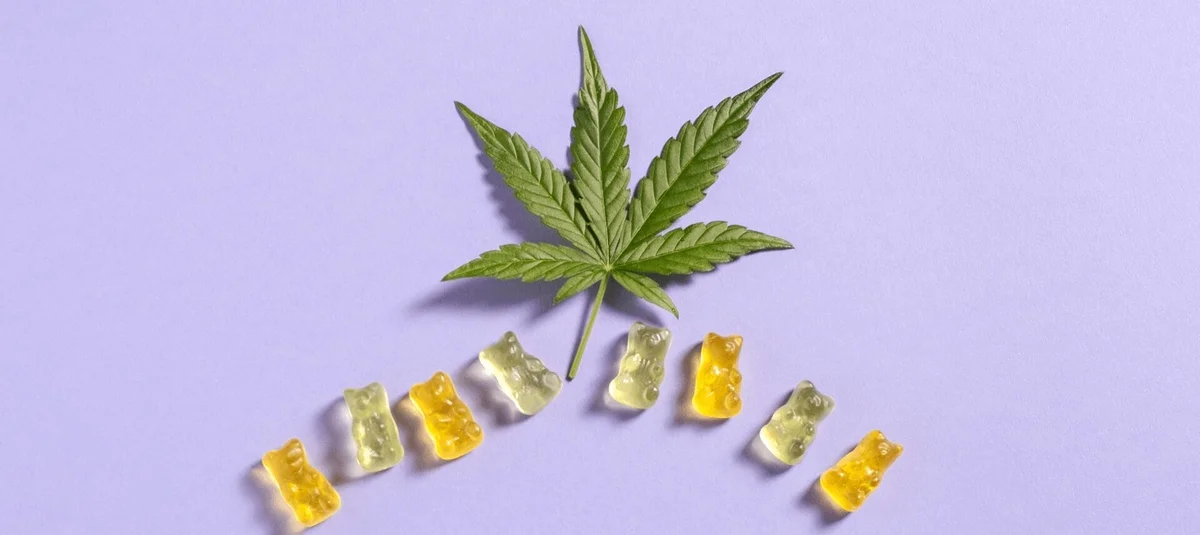
How to Choose the Right Edible: Gummies vs. Chocolates vs. Drinks
Edibles are often marketed as a gentler alternative to smoking, but anyone who has misjudged a dose knows they can be surprisingly powerful. Choosing the right edible is less about flavor preference and more about understanding how different formats interact with the body. Gummies, chocolates, and cannabis drinks all deliver THC differently, and those differences shape onset time, intensity, body feel, and duration.
A common assumption is that all edibles behave the same once eaten. In reality, formulation, digestion, and even sugar content can change how an experience unfolds. Understanding these variables helps reduce anxiety, improve consistency, and support intentional use. This guide explains how to choose the right edible by comparing gummies vs chocolates vs drinks through the lens of science, ergonomics, and real-world user experience.
How edible cannabis works in the body
Before comparing formats, it helps to understand what makes edibles unique. Unlike inhaled cannabis, edibles are processed through the digestive system. THC is absorbed in the gut and then metabolized by the liver into 11-hydroxy-THC, a compound that crosses the blood-brain barrier more efficiently and produces longer-lasting effects.
Scientific research confirms that this metabolic conversion is responsible for the delayed onset and extended duration associated with edibles THC metabolism and 11-hydroxy-THC formation. This is why edible highs often feel deeper and more body-focused than inhaled cannabis.
When learning how to choose the right edible, it is important to remember that format influences not just taste, but how and when cannabinoids are absorbed.
Gummies: predictable dosing with a delayed onset
Gummies are one of the most popular edible formats, largely because they offer clear portion control. Each piece is usually labeled with a specific milligram amount, making dosing straightforward.
Onset time for gummies typically ranges from 45 minutes to 2 hours. Because gummies must be digested fully, effects tend to come on gradually. Once they begin, the experience often lasts 6 to 8 hours, with a noticeable peak around the 2 to 4 hour mark.
From a body feel perspective, gummies often produce a steady, full-bodied sensation. Many users describe the effects as immersive and long-lasting rather than sharp or cerebral. This makes gummies appealing for extended relaxation or evening use.
Sugar content is an important consideration. Gummies often contain higher amounts of sugar and gelatin, which can affect digestion and blood sugar levels. For people sensitive to sugar spikes, this can subtly influence how the high feels.
Retail educators at Embarc often suggest gummies to consumers who value consistency and clear dosing, especially those new to edibles who want a predictable experience.
Chocolates: slower release with a smoother body feel
Cannabis chocolates share similarities with gummies, but fat content changes how cannabinoids are absorbed. THC is fat-soluble, meaning it binds readily to lipids. Chocolate’s fat profile can slow digestion and extend absorption.
Onset for chocolates is often similar to gummies, typically between 45 minutes and 2 hours, but some users report a slightly smoother, less abrupt rise. The duration usually falls in the 6 to 8 hour range, with a more gradual peak.
Many people describe chocolate edibles as producing a softer, more rounded body feel. This may be due to slower release and steadier absorption. From a sensory standpoint, chocolate can also mask cannabis flavors more effectively, which some consumers prefer.
Sugar intake varies widely depending on formulation. Dark chocolate options often contain less sugar than gummies, while milk chocolate may contain comparable amounts. Paying attention to nutrition labels becomes part of choosing the right edible.
When considering how to choose the right edible for comfort and indulgence, chocolates often appeal to those seeking a calmer, less edgy experience.
Cannabis drinks: faster onset and lighter duration
Cannabis-infused drinks are designed to behave differently from traditional edibles. Many use nanoemulsified THC, which allows cannabinoids to be absorbed more efficiently through the digestive system.
Onset time for drinks is typically much faster, often between 10 and 30 minutes. This is closer to inhalation than to gummies or chocolates. Scientific studies on nanoemulsion technology show increased bioavailability and faster absorption nanoemulsified cannabinoids and absorption.
The duration of effects from drinks is usually shorter, averaging 3 to 5 hours. The body feel is often described as lighter and more controllable, with less of the heavy sedation sometimes associated with traditional edibles.
From an ergonomic perspective, drinks feel familiar and social. Sipping allows for gradual dosing, which can reduce the risk of overconsumption. Sugar content varies widely. Some drinks are lightly sweetened or zero-sugar, while others resemble sodas or juices.
In curated retail environments like Embarc, drinks are often recommended for social settings or for people who want edible effects without committing to an all-night experience.
Comparing onset time across formats
Onset time is one of the most important factors when learning how to choose the right edible. Gummies and chocolates require patience, while drinks offer quicker feedback.
Faster onset can reduce anxiety because users do not wonder whether they have taken too much. Slower onset can be beneficial for longer sessions but requires discipline to avoid stacking doses.
Consumer education resources highlight these differences clearly, including guides such as how long different edibles take to kick in, which emphasize waiting before re-dosing.
Choosing the right onset speed often depends on context, schedule, and comfort with delayed effects.
Dosing precision and control
Gummies excel in dosing precision because each piece is uniform. Chocolates vary depending on how they are segmented. Drinks allow for flexible dosing but require attention to volume consumed.
For people sensitive to THC, lower-dose options like 2.5 mg gummies or lightly dosed drinks offer more control. Precision supports confidence, which directly influences the psychological experience of an edible high.
Understanding how to choose the right edible includes recognizing personal tolerance and choosing formats that support mindful dosing.
Sugar, digestion, and overall comfort
Sugar content affects more than nutrition. High sugar intake can influence digestion speed, energy levels, and even anxiety in some individuals. Gummies tend to be the highest in sugar, while drinks and chocolates vary widely.
For those managing dietary concerns, low-sugar or sugar-free options may lead to a more comfortable experience. Paying attention to ingredient lists is part of choosing the right edible responsibly.
Matching edible type to intention
Gummies often suit long evenings, sleep support, or extended relaxation. Chocolates work well for those seeking a smoother, indulgent experience with a steady body feel. Drinks are often better for social situations, creative activities, or shorter windows of use.
Retail staff at Embarc frequently encourage consumers to think about timing and intention rather than defaulting to the most popular option. This mindset reduces negative experiences and builds trust with edibles over time.
Bringing it all together
Learning how to choose the right edible means understanding how gummies, chocolates, and drinks differ in onset time, body feel, dosing precision, and sugar content. Gummies offer consistency and long duration. Chocolates provide a smoother, fat-supported experience. Drinks deliver faster onset and lighter effects.
There is no universally best option, only better alignment between product and intention. Education-driven retailers like Embarc support this alignment by emphasizing transparency and real-world guidance rather than one-size-fits-all recommendations.
When edibles are chosen thoughtfully, they become one of the most reliable and enjoyable ways to experience cannabis. Understanding the differences is the key to making them work for you, not against you.