


Weed Pens, Vape Cartridges, and Pods: How They Work and What to Know
October 14, 2025
Cannabis vapes have become one of the most popular ways to consume cannabis in the U.S., offering a discreet, portable, and smoke-free alternative to flower. From rechargeable vape pens to sleek pod systems, these devices are designed to heat cannabis oil to the point of vaporization without burning plant material. For many, this means smoother inhalation, faster onset, and precise dosing compared to traditional smoking or edibles.
As the market grows, so does the variety of products available. Consumers can choose between standard 510-thread cartridges, brand-specific pod systems, and disposable pens – all of which use slightly different technology but share the same purpose: delivering cannabinoids and terpenes through vapor. Understanding how these devices work and what sets them apart is the first step in using them safely and effectively.
What Are Weed Pens and Vape Cartridges?
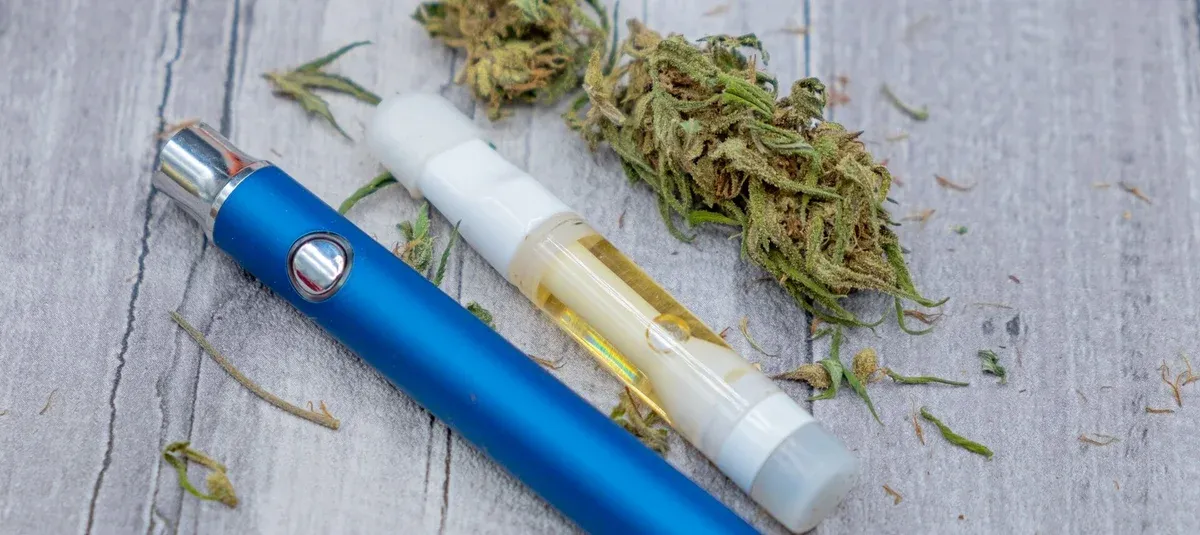
Weed pens, often called vape pens, are compact devices that pair with pre-filled cannabis cartridges. Most follow the 510-thread standard, meaning the battery can be used with a wide variety of cartridges from different brands. This universal design has made 510-thread pens the most common option in the cannabis market (Leafly explainer).
A cartridge (or “cart”) typically contains cannabis oil that may be made from distillate, live resin, or rosin, along with added terpenes for flavor. Inside the cartridge is a small heating element, or coil, that warms the oil when activated by the pen’s battery. The vapor is then inhaled through the mouthpiece, delivering cannabinoids and terpenes quickly into the bloodstream.
Vape pens are available in both disposable and rechargeable formats. Disposable versions come pre-loaded with oil and a built-in battery designed for single use. Rechargeable pens, on the other hand, can be recharged via USB or USB-C and are designed for ongoing use with replaceable cartridges.
Consumers tend to choose cartridges and pens for their convenience, portability, and predictable dosing. Unlike smoking flower, there is no grinding or rolling involved – just attach the cartridge to the battery, press a button (or draw-activate), and inhale.
What Are Pod Systems and How Do They Differ?
Pod systems are another popular way to consume cannabis, but unlike standard 510-thread cartridges, they use brand-specific designs. A pod typically snaps into place within its matching battery, creating a streamlined and user-friendly system. Because the components are proprietary, pods generally offer more consistent performance, with fewer issues like leaking or clogging (Weedmaps guide).
The main difference between pods and cartridges is compatibility. While 510-thread carts can be used across a wide range of devices, pods are usually tied to a single brand. This means users are limited to that company’s selection of oils and strains, but in return, they often get smoother vapor production, better airflow, and a sleek, pocket-sized design.
Pods are also less likely to be counterfeited than cartridges, which makes them a safer choice for consumers concerned about quality. Many brands use pods to deliver premium extracts such as live resin or solventless rosin, focusing on flavor and potency.
For consumers, the choice between pods and carts often comes down to preference. Cartridges provide flexibility and widespread availability, while pod systems emphasize consistency and curated brand experiences.
How Cannabis Vape Technology Works
All cannabis vape devices – whether pens, cartridges, or pods – are built around the same core components: a battery, a heating element, and an oil chamber.
Battery: Provides the power to heat the oil. Some batteries allow adjustable voltage or temperature settings, which can change the flavor and intensity of the vapor.
Heating element (coil or atomizer): Converts electrical energy from the battery into heat, warming the cannabis oil to the point of vaporization. The coil is usually wrapped in ceramic, quartz, or another material designed to withstand high temperatures.
Oil chamber: Holds the cannabis extract, whether it is distillate, live resin, or rosin. As the coil heats, cannabinoids and terpenes are released in vapor form.
This process avoids combustion, meaning there is no smoke – just vapor. Because the oil is heated rather than burned, many users find the experience smoother on the lungs and less aromatic than smoking flower.
Temperature control plays a key role in the vaping experience. Lower temperatures tend to preserve delicate terpenes, offering more flavor and a gentler effect. Higher temperatures produce larger vapor clouds and stronger effects but may sacrifice taste or smoothness (Project CBD overview).
Common Types of Cannabis Oil in Carts and Pods
Not all cannabis oil is created the same, and the type of extract inside a cartridge or pod can greatly influence the experience. The most common varieties include:
Distillate: Highly refined oil containing mostly THC or CBD, often with added terpenes for flavor. Distillate is known for its potency and consistency, making it the most widely used extract in carts (Leafly on distillates).
Live Resin: Extracted from fresh-frozen cannabis plants, live resin preserves a wider range of terpenes. This leads to richer flavor profiles and effects that feel closer to smoking flower (Weedmaps on live resin).
Rosin: A solventless extract made by pressing cannabis flower or hash under heat and pressure. Rosin is prized for its purity and flavor, though it is less common in pre-filled cartridges or pods due to higher production costs (Leafly guide to rosin).
The terpene profile plays an important role as well. Terpenes are aromatic compounds that shape both flavor and potential effects, from citrusy limonene to relaxing linalool. Many consumers choose cartridges or pods based on terpene blends that align with their desired outcome, whether uplifting or calming.
Potency can also vary depending on the oil. Distillates often test at higher THC percentages, while live resin and rosin may provide a more balanced and nuanced experience through the entourage effect.
For consumers, understanding what type of oil is in a vape helps set expectations for flavor, strength, and overall effect.
Safety and Quality Considerations
While cannabis vapes are popular for their convenience and smooth experience, safety depends heavily on product quality. One of the biggest risks comes from unregulated or counterfeit cartridges, which may contain harmful additives, residual solvents, or inaccurate labeling of potency (CDC EVALI report). Consumers should avoid buying products from unverified sources and instead look for brands that provide third-party lab testing with Certificates of Analysis (COAs).
Certain additives have raised health concerns in the past. For example, vitamin E acetate was linked to a wave of vaping-related lung injuries in 2019. Reputable manufacturers no longer use this substance, but it highlights why transparency in ingredients is so important.
Safe use also comes down to responsible dosing. Cannabis vapes deliver cannabinoids quickly, which can make it easy to overconsume. Beginners should start with small draws and wait a few minutes to assess the effects before taking more (Healthline dosing guide). Sharing devices should also be done cautiously to reduce health risks.
Other best practices include keeping devices clean, charging batteries only with the recommended charger, and storing carts or pods upright in a cool, dry place to prevent leaks or degradation.
By prioritizing lab-tested products and mindful consumption, users can enjoy the benefits of vaping while minimizing risks.
Legal Landscape in the U.S.
The legality of cannabis vapes in the United States depends on both federal law and state regulations. At the federal level, cannabis containing more than 0.3 percent delta-9 THC is still classified as a Schedule I controlled substance. This means that vape cartridges or pods filled with cannabis-derived THC remain federally illegal, even though many states have chosen to legalize their use (Congressional Research Service).
The 2018 Farm Bill created an exception for hemp-derived products with less than 0.3 percent delta-9 THC. This opened the door for hemp-based vape products, including those containing cannabinoids like CBD, delta-8 THC, or HHC. However, many states have since introduced their own rules restricting or banning certain hemp-derived cannabinoids, leading to a patchwork of laws across the country (FDA consumer update).
Travel is another important consideration. Crossing state lines with cannabis-derived vape products is not permitted, even between two states where cannabis is legal. Hemp-derived vapes may be treated differently, but consumers should always confirm local regulations before purchasing or carrying them.
Because laws continue to evolve rapidly, staying informed is essential. Checking state regulations before buying or using cannabis vapes helps consumers avoid legal complications and ensures they are consuming within safe and permitted boundaries.
Topical Wrap-Up
Weed pens, cartridges, and pods have reshaped the way people consume cannabis, offering convenience, portability, and a smoke-free alternative to flower. Cartridges are widely available and versatile, while pod systems emphasize consistency and brand-specific quality. The type of oil inside – from distillate to live resin to rosin – also shapes the experience, influencing potency, flavor, and effects.
The key for consumers is to prioritize safety and legality. That means choosing lab-tested products, starting with small doses, and staying updated on state regulations. As the cannabis vape market continues to evolve, informed choices ensure a safer, more enjoyable experience.