


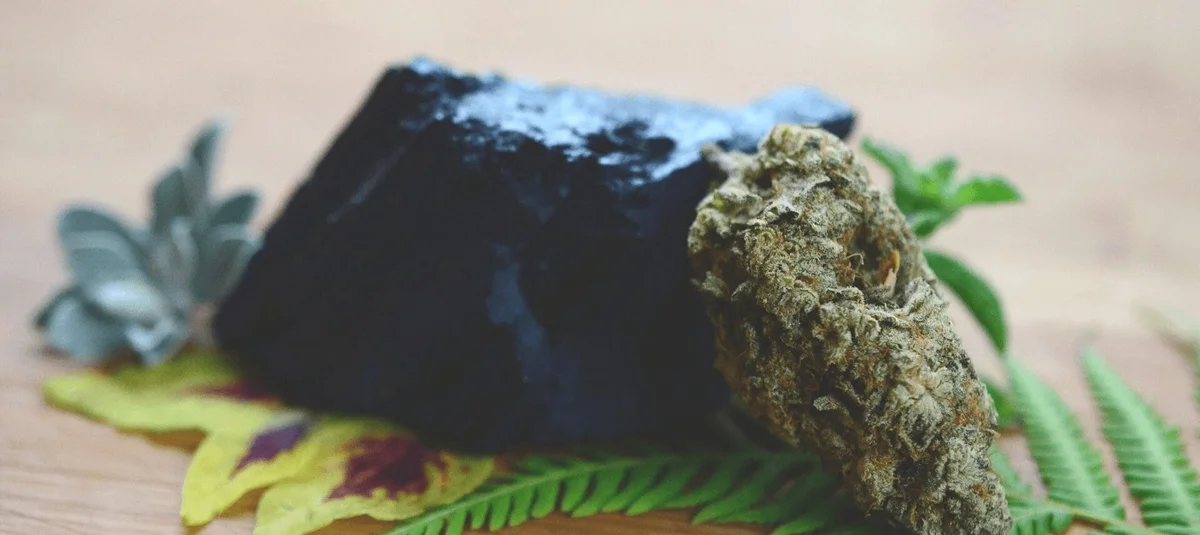
The Rise of Solventless Hash: Why Consumers Are Switching
A few years ago, most shoppers compared concentrates by potency and price. Now the conversation has shifted toward texture, aroma, and trust. That is the heart of the purity trend driving solventless hash: many consumers want products that feel closer to the plant’s original sensory profile, with fewer processing steps and fewer unknowns. A common misconception is that “solventless” automatically means safer or better. In reality, quality still depends on starting material, handling, and testing. This article explains why demand is rising, how solventless hash is made, what the effects tend to feel like, and how to choose products that support a smoother experience.
Why “cleaner” concentrates feel psychologically easier to choose
The purity trend is not only about chemistry. It is about decision comfort. When a label says a concentrate was made without hydrocarbon solvents, many people feel less mental friction about inhaling or tasting it. That sense of clarity can reduce anxiety, which matters because anxiety is one of the most common drivers of overconsumption and a “too intense” high.
This shift is also supported by a broader public-health focus on cannabis contaminants, including residual solvents, pesticides, microbes, and metals. A useful overview of these contaminant categories and why they matter appears in Cannabis Contaminants: regulating solvents, microbes, and metals. The takeaway is practical: “solventless” reduces one potential contaminant category, but it does not replace the need for testing transparency.
Actionable guidance:
- Treat “solventless” as one filter, not the final answer.
- Look for batch-specific lab results and clear handling details (fresh frozen, ice water hash, rosin press conditions).
- Choose products based on the kind of experience you want to have, not just on the idea of purity.
What solventless hash actually means, and how production influences quality
At a basic level, solventless hash refers to concentrates made without chemical solvents like butane, propane, or ethanol. Instead, producers use mechanical separation, water and ice agitation, and heat and pressure. Two common categories are:
- Traditional hash or ice water hash (often called bubble hash)
- Rosin, especially hash rosin, made by pressing hash with heat and pressure
One reason consumers are switching is that production method strongly shapes sensory experience. Solvent-based extracts can capture cannabinoids and terpenes efficiently, but they also require careful solvent removal and strict quality control. Solventless processes are often described as more “direct,” because they separate resin heads (trichomes) and then concentrate them with minimal chemical processing.
For a technical overview of how concentrates are classified by production method and how that can relate to exposure risks during vaping, see Cannabis concentrate vaping chemistry. Even if someone never vapes, this is helpful because it frames solventless and solvent-based methods in concrete, process-driven terms.
Actionable guidance:
- Ask what the starting material was: fresh frozen tends to preserve more volatile aroma compounds than older, dry material.
- Favor producers who can explain their process simply and provide batch-level documentation.
- Pay attention to storage details. Concentrates that are handled gently and stored cold usually hold aroma better.
Why demand is rising: flavor realism, smoother feel, and fewer “processing” notes
Most people switch to solventless hash for one of three reasons: taste, texture, or how the effects land. Flavor is the easiest to understand. Many consumers describe solventless options as tasting more “whole” or more like the original flower, especially when the product is fresh and terpene-rich. That does not mean solvent-based extracts taste bad, but the sensory profile can feel different depending on purification steps, post-processing, and terpene reintroduction.
The other reason is ergonomics. Solventless products, especially high-quality rosin, often melt and vaporize in a way that feels less harsh for some users. That can change the entire session experience: fewer cough interruptions, more controlled breathing, and a calmer transition into effects. When the method feels physically easier, users tend to take smaller, more measured pulls, which can reduce the chance of overshooting.
This is also where retail education matters. In settings like Embarc, a shopper can compare textures and aroma profiles more thoughtfully, and that hands-on learning often prevents the common mistake of choosing purely by THC percentage.
Actionable guidance:
- Use smell as data. If aroma feels flat or dusty, the experience often follows.
- For inhalation, start with smaller pulls and longer pauses. Let the effects unfold before adding more.
- Store properly (cool, sealed, away from light) to preserve aroma and avoid dryness.
How solventless hash tends to feel, and why the “effects curve” can surprise people
Because solventless hash is usually a high-potency concentrate, the effects curve can rise quickly, especially with dabbing or high-power devices. Many people describe the onset as clean and immediate, with a strong sensory shift: brighter flavors, stronger body awareness, and a faster move from “baseline” to “altered.” That can be enjoyable, but it also means dosing discipline matters more than with flower.
The most common surprise is that “smooth” does not mean “mild.” A product can feel silky on the inhale and still be intense neurologically. The best approach is to separate comfort from intensity. Comfort is how it feels to consume. Intensity is how strongly it changes perception, attention, and time sense.
Actionable guidance:
- Decide the goal before use: relaxed focus, creative immersion, body calm, or sleep wind-down.
- Build a two-step dose: take one small hit, then wait 10 to 15 minutes before deciding on more.
- If someone is prone to anxiety, choose lower-temp consumption and smaller servings to avoid a sudden spike.
What to look for on labels and COAs, and the red flags that matter
The purity trend only helps when consumers can verify what they are buying. Even if a concentrate is marketed as solventless, quality can vary widely.
Helpful label and COA signals:
- Batch number and harvest or package date
- Cannabinoid profile beyond THC (CBD, minor cannabinoids if listed)
- Terpene results, if provided
- Microbial, pesticide, and heavy metals screening, depending on the state testing framework
Residual solvent testing is less central for solventless products, but it is still valuable to understand how residue standards work in cannabis products overall. For an example of how solvent residues are assessed and why those residues matter from a safety standpoint, see Assessment of solvent residue contaminants in cannabis-based products.
Red flags:
- No batch number, no COA access, or COAs that do not match the batch
- Very old package dates paired with premium pricing
- Texture that looks dried out or “sugared” in a way that does not match the product style
- Aroma that is muted, musty, or oddly chemical
Actionable guidance:
- If a QR code exists, scan it and confirm the batch number matches the jar.
- Treat freshness as part of quality, not a bonus.
- If a product is meant to be refrigerated, do it. Storage is not optional for terpene-rich concentrates.
Production methods in plain language: ice water hash to rosin
Most premium solventless hash products follow a simple chain. Trichomes are separated from plant material using ice water and gentle agitation, then collected through fine filtration. That hash can be dried and used as-is, or it can be pressed into rosin using controlled heat and pressure.
Why this matters for consumers is that each step can either preserve or degrade aroma. Lower heat tends to preserve more volatile compounds but may yield less product. Higher heat can increase yield but may trade away some delicate top notes. Understanding this helps shoppers pick products that fit their priorities.
Actionable guidance:
- If flavor is the main goal, look for products positioned around low-temp preservation and fresh frozen starting material.
- If consistency and handling are the main goal, choose a texture that fits your routine (badder, jam, fresh press).
- Ask simple questions: “Was this made from fresh frozen?” and “Was it ice water hash pressed into rosin?”
How to switch safely if you are used to flower or lower-potency concentrates
Switching to solventless hash can change tolerance management. People often underestimate potency because the session feels physically smooth. A safer transition is to reduce total intake, not just reduce the size of each pull.
Actionable guidance:
- Use a smaller tool or a lower-power setting so each inhale is naturally limited.
- Keep water nearby and slow breathing between pulls.
- If the goal is relaxation, stop as soon as the body feels “settled.” More is not always better.
Embarc often emphasizes this kind of intentional pacing, especially for people trying concentrates for the first time, because a calm first experience tends to shape long-term comfort and confidence.
The rise of solventless hash is driven by a clear consumer preference: a more transparent process, a truer-to-plant sensory profile, and a consumption experience that feels smoother and more controllable. The purity trend is real, but it works best when paired with smart shopping habits like verifying COAs, checking freshness, and choosing textures and methods that fit the user’s routine. Effects can be clean and vivid, but they can also be intense, so pacing and low-temperature technique matter.
As more people learn to read labels and trust their senses, the market naturally rewards craftsmanship and education. In community-focused spaces like Embarc, that learning becomes part of the culture: choosing intentionally, consuming ergonomically, and sharing knowledge that makes the experience better for everyone.