


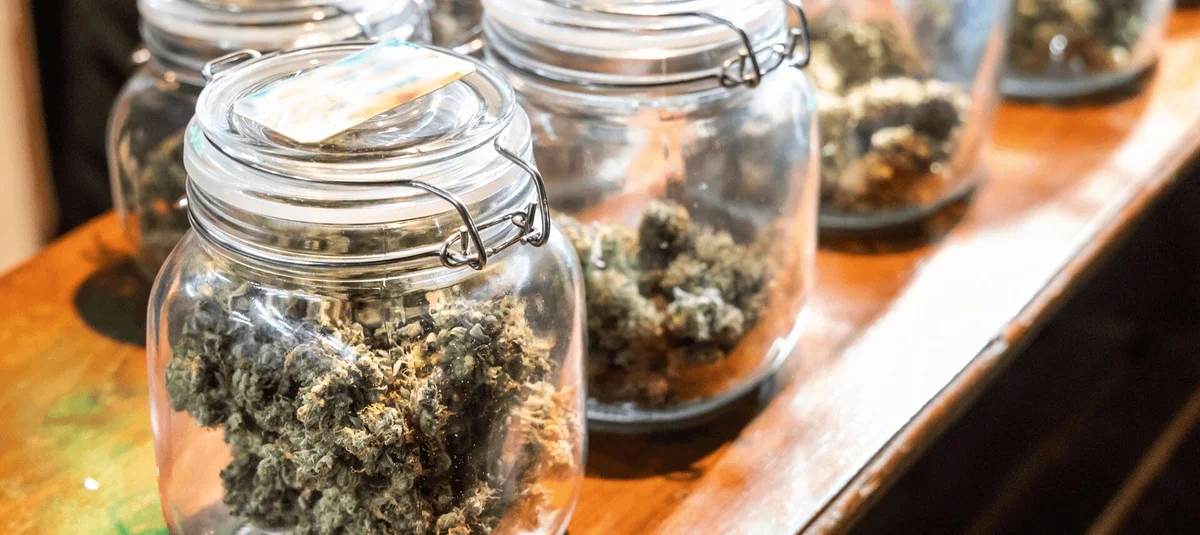
The Golden Rules of Safe Cannabis Storage (and How to Make It Last Longer)
Cannabis quality does not end at the dispensary counter. How products are stored at home plays a major role in how they smell, taste, and feel weeks or months later. Improper storage can dry out flower, degrade cannabinoids, dull terpene profiles, and increase the risk of unwanted exposure to children or pets.
Many consumers assume that cannabis only needs to be kept out of sight, but safe cannabis storage is about much more than discretion. Light, air, temperature, humidity, and handling all influence how cannabis ages over time. When storage is done thoughtfully, products stay fresher longer and remain safer to use.
This guide explains the golden rules of safe cannabis storage, including humidity control, smell management, UV protection, and child safety. It also explains why each rule matters and how to apply them in everyday life.
Why proper cannabis storage matters
Cannabis is a biologically active plant material. Even after harvesting and curing, chemical changes continue to occur. Cannabinoids like THC slowly degrade when exposed to oxygen, heat, or light. Terpenes evaporate easily, especially in dry or warm environments.
Scientific research shows that THC degrades into CBN over time, particularly when exposed to light and air, reducing potency and altering effects THC degradation and stability study. Terpenes are even more fragile, with volatility increasing as humidity drops or temperatures rise.
From a safety perspective, improper storage can also increase risks. Unsecured cannabis may be accessed by children or pets, and odor leakage can create unwanted attention or discomfort in shared living spaces. Safe cannabis storage protects both product quality and household well-being.
Rule one: control humidity to preserve potency and flavor
Humidity is one of the most important factors in safe cannabis storage. Flower that is too dry becomes harsh, crumbly, and less flavorful. Flower that is too moist risks mold growth and microbial contamination.
The ideal relative humidity range for storing cannabis flower is generally considered to be between 55 and 65 percent. Within this range, cannabinoids remain stable and terpenes are better preserved. Studies on cannabis storage conditions confirm that moisture balance plays a critical role in maintaining chemical integrity impact of storage conditions on cannabis quality.
Humidity control packs are one of the easiest ways to maintain consistency. These packs absorb or release moisture as needed, helping stabilize the environment inside a container. Glass jars with airtight seals work best when paired with humidity control, as they prevent moisture exchange with the surrounding air.
In education-forward retail environments like Embarc, consumers are often encouraged to think of cannabis storage as similar to storing fine herbs or specialty coffee. Attention to humidity pays off quickly in both flavor and longevity.
Rule two: protect cannabis from light and UV exposure
Light, especially ultraviolet light, is a major contributor to cannabinoid degradation. Exposure to sunlight or strong indoor lighting accelerates the breakdown of THC and other cannabinoids, reducing potency over time.
Research on cannabinoid photodegradation shows that UV exposure significantly accelerates chemical breakdown photodegradation of cannabinoids. Clear containers left on windowsills or open shelves may look appealing, but they compromise product integrity.
Safe cannabis storage prioritizes darkness. Opaque or UV-resistant containers offer better protection than clear glass. If clear jars are used, they should be stored inside a drawer, cabinet, or storage box away from light sources.
Protecting cannabis from light also helps preserve terpenes, which are particularly sensitive to environmental stress. Over time, light exposure dulls aroma and flattens flavor, even if potency loss is subtle.
Rule three: minimize air exposure and handling
Oxygen exposure leads to oxidation, which slowly alters cannabinoids and terpenes. Each time a container is opened, fresh air enters and volatile compounds escape. Frequent handling can also physically damage trichomes, especially on flower.
Using containers that are appropriately sized helps reduce excess air. Large jars holding small amounts of cannabis allow more oxygen to circulate, speeding up degradation. Smaller containers filled closer to capacity offer better protection.
Grinding flower ahead of time increases surface area and accelerates terpene loss. For longer storage, it is best to keep flower whole and grind only what is needed for immediate use.
From a usability standpoint, safe cannabis storage balances accessibility with preservation. Containers should be easy to open without encouraging constant exposure.
Rule four: manage odor without compromising quality
Smell control is often a primary concern, especially in shared living environments. Cannabis odor comes from terpenes, which are the same compounds responsible for flavor and effects. Eliminating odor entirely often means eliminating quality.
Smell-proof containers work by creating airtight seals and using materials that prevent terpene escape. High-quality glass jars with gasket seals are effective, as are purpose-built smell-proof cases.
Plastic bags and low-quality containers allow odor molecules to pass through and can impart unwanted smells into the cannabis itself. Over time, plastic storage may also contribute to static buildup, pulling trichomes away from the flower.
Consumer education resources often recommend airtight storage as the best compromise between odor control and freshness, such as practical guidance on cannabis storage. Safe cannabis storage aims to contain aroma, not strip it away.
Rule five: prioritize child and pet safety
One of the most critical aspects of safe cannabis storage is preventing accidental access. Children and pets are far more sensitive to THC, and accidental ingestion can lead to serious distress.
Cannabis should always be stored in locked containers or placed out of reach in secure locations. Child-resistant packaging helps, but it should not be relied on as the sole safety measure. Lockable storage boxes or safes provide an additional layer of protection.
Edibles require special attention because they often resemble regular food. Clear labeling and separation from non-cannabis items reduce the risk of confusion.
Retailers like Embarc frequently emphasize responsible storage as part of community education, recognizing that safety is as important as quality when it comes to long-term cannabis use.
Rule six: store different product types appropriately
Not all cannabis products require the same storage approach. Flower is the most sensitive to environmental factors, but concentrates, edibles, and tinctures also benefit from thoughtful handling.
Concentrates should be kept cool and sealed tightly to preserve texture and terpene content. Excess heat can cause separation or degradation. Edibles should be stored according to manufacturer guidance, often in cool, dark places to prevent melting or spoilage.
Tinctures should be kept away from light and heat, as prolonged exposure can alter potency. Topicals generally have longer shelf lives but still benefit from stable temperatures.
Safe cannabis storage adapts to product format, rather than assuming one solution fits everything.
How good storage makes cannabis last longer
When cannabis is stored properly, shelf life improves dramatically. Flower can maintain quality for several months, and sometimes longer, without significant loss in potency or aroma. Improper storage, by contrast, can degrade cannabis in a matter of weeks.
Humidity control preserves trichome integrity. Darkness protects cannabinoids. Airtight containers slow oxidation. Together, these practices extend freshness and reduce waste.
Beyond chemistry, good storage supports a better experience. Smooth smoke, vibrant flavor, and predictable effects all depend on preserving what the plant offers.
Bringing it all together
Safe cannabis storage is not about perfection. It is about consistency and intention. By controlling humidity, limiting light and air exposure, managing odor thoughtfully, and prioritizing safety, cannabis stays fresher and safer for longer.
Understanding these principles empowers consumers to protect both their investment and their household. Community-focused retailers like Embarc help reinforce these habits through education and transparency, encouraging responsible ownership alongside enjoyment.
When cannabis is stored with care, it rewards that care with better flavor, more reliable effects, and fewer surprises. Safe cannabis storage is not an extra step. It is part of respecting the plant and the people around it.