


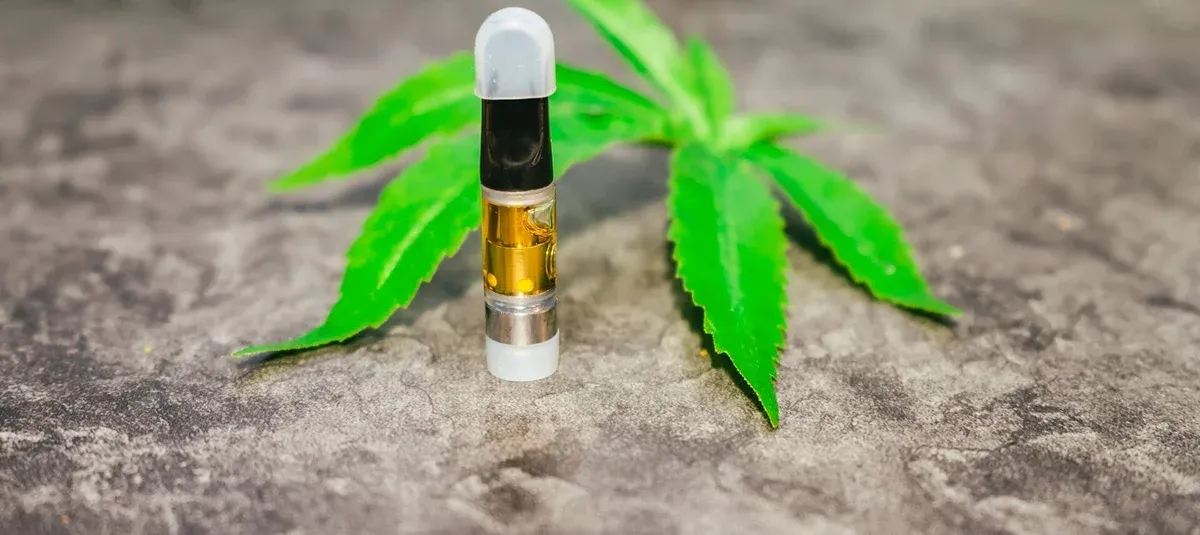
HHC vs. THC: Understanding the Differences and What They Mean for You
September 24, 2025
Cannabis research has expanded far beyond the well-known compounds like THC and CBD. Today, new cannabinoids are entering the spotlight, and one of the most talked about is HHC, or hexahydrocannabinol. This intriguing compound is derived from the cannabis plant, showcasing the diverse uses of this remarkable source. Many consumers want to understand how HHC compares to THC, the cannabinoid most often associated with cannabis. While the two share some similarities, they also have important differences in terms of potency, effects, and legality. The key difference, intriguing to many, lies in their chemical structures; particularly, the presence of hydrogen atoms in HHC offers it unique properties.
This article explores what THC and HHC are, how they interact with the body, the differences in their effects, and what U.S. consumers should know about safety and legality. Delving into the multifaceted world of cannabis and its extracts, the goal is to provide clear, reliable information so you can make informed decisions when navigating the evolving market of cannabis.
THC, short for delta-9-tetrahydrocannabinol, is the primary psychoactive compound found in the cannabis plant. It interacts with the body’s endocannabinoid system by binding to CB1 receptors in the brain and CB2 receptors throughout the body. This interaction, facilitated by THC’s particular structure, is what produces the well-known effects of cannabis use, such as euphoria, relaxation, altered sensory perception, and increased appetite.
What is THC and Why Does It Matter?
Because THC affects consciousness, it has long been the subject of both fascination and regulation. In the United States, THC is classified as a Schedule I controlled substance at the federal level, but many states have legalized its use for medical or recreational purposes. This patchwork approach means consumer access to THC depends heavily on local laws, creating a varied cannabis market across the country.
Beyond recreational use, THC is also studied for its therapeutic potential. Research suggests it may help with pain management, nausea relief, muscle spasticity, and certain sleep disorders. However, it can also carry risks such as anxiety, paranoia, dizziness, or short-term memory impairment, especially at higher doses. Each form of consumption and extract used can vary these effects considerably.
Even in very small amounts, THC plays a role in what is known as the “entourage effect.” This refers to the way cannabinoids and other compounds in the cannabis plant work together, often producing more balanced or enhanced effects than a single compound alone. For this reason, THC continues to be central to the cannabis conversation, both in science and in consumer use.
HHC, or hexahydrocannabinol, is a cannabinoid that has gained attention more recently compared to THC. It was first created in 1944 when American chemist Roger Adams used a process called hydrogenation to alter THC. By adding hydrogen molecules, he fundamentally changed the compound’s structure, making it more stable. This process highlights the form and innovative properties that HHC possesses.
Although HHC does occur naturally in cannabis plants, it is only present in very small amounts. Because natural extraction would be inefficient, the HHC available today is typically made in laboratories. Most commonly, it is derived from hemp-based CBD, which is chemically converted into HHC through controlled processes, showing the dynamic uses of the plant in modern science.
There are two main isomers of HHC, known as 9R-HHC and 9S-HHC. The 9R isomer binds more effectively to cannabinoid receptors and produces effects similar to THC, while 9S-HHC is considered weaker. The balance between these two forms can influence how strong a given HHC product feels to the consumer.
One feature that makes HHC unique is its stability. Unlike THC, which can degrade over time when exposed to light, heat, or oxygen, HHC is more resistant to these factors. This longer shelf life means HHC can be stored without losing potency as quickly, which is one reason it has become a popular ingredient in hemp-derived product markets across the United States.
What is HHC and Where Does it Come From?
HHC and THC share a similar chemical structure, which is why their effects overlap. Both compounds interact with the endocannabinoid system, influencing mood, perception, and overall experience. The differences lie in how strongly they bind to receptors and the intensity of the effects they produce – a crucial aspect influenced by the different hydrogen atoms in HHC.
Consumers often describe HHC as offering a gentler version of the THC experience. While THC is known for producing strong psychoactive effects such as euphoria, altered time perception, and heightened sensory awareness, HHC is usually reported as being about half as potent. Many users say it provides a mild high, relaxation, and a sense of calm without being overwhelming, making it a versatile extract for a broad range of uses.
Early research supports some of these reports. A recent study published in Scientific Reports found that HHC’s pharmacokinetics and subjective effects can mirror those of THC, depending on the dose and method of consumption. Surveys of HHC users in the United States reveal that many turn to it for stress relief, relaxation, or help with pain. Most reported positive experiences, but about 17 percent noted side effects such as dizziness, anxiety, or confusion. A small number reported withdrawal symptoms when discontinuing use.
In the rapidly evolving cannabis industry, like THC, HHC may affect sleep in inconsistent ways. Some people find that it helps them fall asleep more easily, while others experience difficulty sleeping after use. This variability underscores how differently cannabinoids can act depending on the individual, leaving consumers with many questions about what to expect.
Both cannabinoids carry risks, especially with higher doses. While THC is more widely studied, HHC remains less understood, and consumers should approach it with caution. Responsible use, starting with lower doses, is recommended until more research becomes available. Families and individuals alike should be mindful when introducing these substances into their lives, considering both safety and legality.
Because HHC is a newer synthetic compound in the marketplace, research on its long-term effects is still limited. While it is structurally similar to THC, it has not been studied as extensively, which means consumers should be cautious and prioritize safety when considering its use. The mind can react unpredictably to each variant, necessitating careful consideration and mindfulness.
Medical professionals highlight that cannabinoids can affect individuals in very different ways. Reported side effects of HHC include dizziness, anxiety, confusion, changes in heart rate, impaired coordination, and in rare cases hallucinations. These potential reactions overlap with what is already known about THC but may feel less intense due to HHC’s generally milder psychoactivity (see Cleveland Clinic overview).
Comparing the Effects of HHC and THC
Product quality is another important factor. Because HHC is typically manufactured from hemp-derived CBD, the final product can vary significantly depending on how it is made. This variability makes it essential for consumers to choose brands that provide third-party lab testing to confirm potency and purity. The services of laboratories that test these products ensure that any place where they are sold maintains high standards, safeguarding consumer health.
Best practices for consumers include starting with a low dose, especially when trying HHC for the first time, and gradually adjusting if needed. It is also important to avoid mixing cannabinoids with alcohol or other substances that may amplify side effects. People with preexisting health conditions or those taking prescription medication should consult a healthcare professional before use, ensuring a safe experience for all involved.
While HHC products are widely available in certain U.S. markets, it is important to remember that safety depends not just on the cannabinoid itself but also on how it is produced and consumed. Taking a cautious and informed approach is the best way to reduce risks and maximize potential benefits.
The legal status of THC and HHC in the United States differs in important ways, depending on the area and the specific place of residence. THC, specifically delta-9-THC, is classified as a Schedule I controlled substance at the federal level. This means it is considered illegal federally, though many states have chosen to legalize it for medical use, recreational use, or both. The result is a patchwork system where consumer access depends entirely on state law, creating variability not just across the country, but even within families in different states.
HHC’s legal position is less clearly defined. Because it can be derived from hemp, many producers argue that it falls under the protections of the 2018 Farm Bill, which legalized hemp and hemp-derived products containing less than 0.3 percent delta-9-THC. Under this interpretation, HHC is legal to sell and possess if it comes from hemp and complies with the THC threshold.
However, legality is not uniform across the country. While some states allow the sale of HHC alongside other hemp-derived cannabinoids, others have moved to restrict or ban it. Consumers should always check the specific laws in their state before purchasing or using HHC products.
The cannabis marketplace continues to evolve, and regulations often shift in response to new products and research. For that reason, staying informed about local laws is as important as understanding the differences between cannabinoids themselves, keeping the mind open to change and new information.
THC remains the most widely recognized cannabinoid, known for its strong psychoactive effects and therapeutic potential. HHC, while newer and less studied, has gained attention as a milder alternative that shares many similarities with THC but offers greater stability and a slightly different experience.
For U.S. consumers, the key considerations are safety and legality. Both compounds can affect people in different ways, and responsible use starts with understanding potential risks, starting with lower doses, and choosing products that are tested and verified. Because the legal status of HHC varies by state, it is important to confirm local regulations before making a purchase, to not only protect oneself but also one’s family from legal and health consequences.
Safety and Consumer Considerations
As research into cannabinoids expands, new findings will continue to shape how these compounds are understood. Embarc is committed to providing clear, trustworthy information to the public so that consumers can make informed decisions when navigating the fast-changing cannabis landscape.
Medical professionals highlight that cannabinoids can affect individuals in very different ways. Reported side effects of HHC include dizziness, anxiety, confusion, changes in heart rate, impaired coordination, and in rare cases hallucinations. These potential reactions overlap with what is already known about THC but may feel less intense due to HHC’s generally milder psychoactivity.
Product quality is another important factor. Because HHC is typically manufactured from hemp-derived CBD, the final product can vary significantly depending on how it is made. This variability makes it essential for consumers to choose brands that provide third-party lab testing to confirm potency and purity. Unregulated or low-quality products could contain unwanted byproducts from the conversion process.
Best practices for consumers include starting with a low dose, especially when trying HHC for the first time, and gradually adjusting if needed. It is also important to avoid mixing cannabinoids with alcohol or other substances that may amplify side effects. People with preexisting health conditions or those taking prescription medication should consult a healthcare professional before use.
While HHC products are widely available in certain U.S. markets, it is important to remember that safety depends not just on the cannabinoid itself but also on how it is produced and consumed. Taking a cautious and informed approach is the best way to reduce risks and maximize potential benefits.
Legal Landscape in the U.S.
The legal status of THC and HHC in the United States differs in important ways. THC, specifically delta-9-THC, is classified as a Schedule I controlled substance at the federal level. This means it is considered illegal federally, though many states have chosen to legalize it for medical use, recreational use, or both. The result is a patchwork system where consumer access depends entirely on state law.
HHC’s legal position is less clearly defined. Because it can be derived from hemp, many producers argue that it falls under the protections of the 2018 Farm Bill, which legalized hemp and hemp-derived products containing less than 0.3 percent delta-9-THC. Under this interpretation, HHC is legal to sell and possess if it comes from hemp and complies with the THC threshold.
However, legality is not uniform across the country. While some states allow the sale of HHC alongside other hemp-derived cannabinoids, others have moved to restrict or ban it. Consumers should always check the specific laws in their state before purchasing or using HHC products.
The cannabis marketplace continues to evolve, and regulations often shift in response to new products and research. For that reason, staying informed about local laws is as important as understanding the differences between cannabinoids themselves.
Final Thoughts in HHC vs THC
THC remains the most widely recognized cannabinoid, known for its strong psychoactive effects and therapeutic potential. HHC, while newer and less studied, has gained attention as a milder alternative that shares many similarities with THC but offers greater stability and a slightly different experience.
For U.S. consumers, the key considerations are safety and legality. Both compounds can affect people in different ways, and responsible use starts with understanding potential risks, starting with lower doses, and choosing products that are tested and verified. Because the legal status of HHC varies by state, it is important to confirm local regulations before making a purchase.
As research into cannabinoids expands, new findings will continue to shape how these compounds are understood. Embarc is committed to providing clear, trustworthy information so that consumers can make informed decisions when navigating the fast-changing cannabis landscape.