


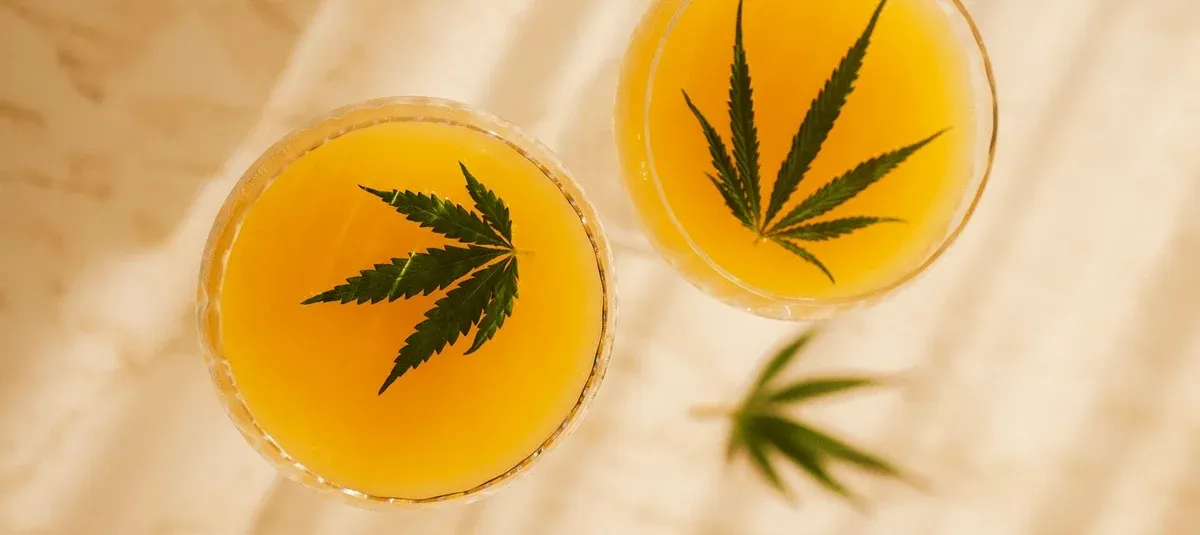
Cannabis Drinks: The Future of Socializing Without Alcohol?
December 27, 2025
A lot of modern socializing is built around a drink in hand, even for people who do not love alcohol’s aftereffects. That is why Cannabis Drinks have caught on fast: they fit into familiar rituals like sipping, chatting, and pacing over time. But a cannabis beverage is not “just an edible in liquid form.” Onset can be different, dosing can feel less intuitive, and mixing choices matter more than most people expect. The sensory experience also changes the psychology of use. Flavor, carbonation, and temperature can make a dose feel lighter or stronger than it is.
This article explains how Cannabis Drinks work, how to dose them comfortably, how to choose flavors and settings that feel good, and how to avoid risky mixing so the night stays smooth.
Why Cannabis Drinks Feel Different From Smoking and Traditional Edibles
The biggest difference is timing. Inhalation reaches the bloodstream quickly, while oral products usually take longer because they rely on digestion and liver metabolism. A classic pharmacokinetics review notes that after oral ingestion, effects often begin with a delay and peak later, with a longer overall duration than inhaled cannabis. This pharmacokinetics overview of cannabinoids explains the typical lag and longer arc of oral effects.
Where Cannabis Drinks get interesting is absorption. Some beverages use emulsions that help cannabinoids disperse in liquid, which may change how quickly effects show up compared to a gummy. A recent public health review specifically about THC beverages discusses how nanoemulsion style formulations are often marketed as faster onset and shorter duration than classic edibles, though product performance can vary. This review on public health considerations for THC-infused beverages summarizes those onset and duration patterns.
The psychology piece matters too. Sipping is naturally paced. That can reduce the “all at once” feeling some people get from eating an edible and then waiting. But it can also create a trap: because it feels like a normal drink, some people re-dose too soon.
Dosing and Onset Without Guesswork
A calm experience usually comes from matching the dose to the setting and giving the body enough time to respond. The goal is to avoid the classic pattern of “nothing is happening” followed by “too much is happening.”
Here is a practical approach that works for most adults who are not frequent high-dose users:
Start with a low, clear target dose
For many people, 1 to 2.5 mg THC is a gentle social dose, and 5 mg THC is a common standard serving that can feel moderate. People with lower tolerance may find 5 mg intense, especially if they are anxious, tired, or in a loud environment.Decide whether the goal is “buzz” or “blend”
If the goal is a light social lift, lower THC often feels better. If the goal is a stronger effect, it is still usually smoother to step up gradually rather than jumping straight to a high dose.Use a timing rule that fits beverages
With Cannabis Drinks, many people feel something within 15 to 45 minutes, but that is not guaranteed, especially if the drink is not formulated for faster onset or if the person recently ate a heavy meal. A safer rule is: sip a low dose, then wait at least 45 to 60 minutes before adding more. If it feels like a traditional edible arc, wait longer.Expect variability from food, sleep, and stress
Oral THC effects can vary widely by person and context. Research on cannabis chemistry and metabolism notes that oral absorption is relatively slow and bioavailability can be low and variable due to first-pass metabolism. This review on cannabis metabolism and toxicology explains why oral effects are less predictable than inhalation.Avoid stacking products early in the night
A common mistake is mixing a beverage with a gummy or a vape “for faster kick.” That stacks different onset curves, which makes it harder to track dose and can push the experience from social to overwhelming.
If someone wants guidance that matches their tolerance and the vibe they are aiming for, Embarc staff often frame it in simple terms: pick one lane for the night, start low, and let the timing teach you what your body does.
Flavor, Mouthfeel, and Social Settings That Change the Experience
Flavor is not just taste. It changes how people perceive strength. A bright citrus drink can feel energizing, while a deeper flavor like cola, root beer, or botanical blends can feel grounding. Carbonation can also change the “hit” sensation. Some people experience bubbly drinks as sharper, which can make a small dose feel more noticeable.
When choosing Cannabis Drinks for social use, match the sensory profile to the setting:
Dinner party or slow conversation: smoother flavors, lower THC, more CBD-forward options for a gentle tone
Outdoor hang or game night: slightly brighter flavors, still low-to-moderate THC so attention stays steady
Louder party: extra caution, because noise and crowd energy can amplify intensity and make effects feel less controllable
Ergonomics matter too. The easiest nights happen when people have water, snacks, and a comfortable place to sit. A beverage can sneak up if someone is standing, dehydrated, and overstimulated. That is when dizziness or racing thoughts are more likely.
If a group is experimenting together, it helps to make dosing visible. Pour into labeled cups or agree that each person starts with the same measured serving. That keeps the vibe collaborative instead of competitive.
Responsible Mixing and Why Alcohol Is the Wrong Shortcut
The most important mixing rule is simple: if alcohol is in the picture, keep THC lower than usual, or skip THC entirely. Alcohol can increase impairment on its own, and combined use can lead to stronger subjective effects and performance impairment in some studies. A recent review of simultaneous alcohol and cannabis use discusses how combined effects vary by dose, method, and user history, but also highlights why co-use can be risky and unpredictable. This review on simultaneous alcohol and cannabis use summarizes the mixed but cautionary evidence.
Practical mixing guidance that tends to prevent problems:
Pick one main intoxicant for the night. If the goal is replacing alcohol, keep it alcohol-free.
If alcohol happens anyway, cap THC very low. Think 1 to 2.5 mg THC, then stop and wait.
Avoid shots and fast drinking. Rapid alcohol intake makes it harder to notice early signs of too much THC.
Do not mix to “fix” a feeling. People sometimes drink to calm a high or use THC to smooth alcohol. That often backfires because the body is already processing two different drugs.
Have an exit plan. No driving, and a plan for getting home if the experience intensifies.
In mixed groups, etiquette matters. Nobody should be pressured into mixing, and nobody should be teased for choosing a lower dose. If someone is new, encourage them to keep it simple: one measured serving, one hour of waiting, and a steady pace.
How to Host With Cannabis Drinks Without Making It Weird
Hosting is mostly about clarity. A few small choices make it feel normal and safe:
Make the serving size obvious
Put the can or bottle where people can read the milligrams, and say out loud what a standard serving is. If the container has multiple servings, offer a small measuring cup or pour into smaller glasses.
Offer “soft landings”
Have water, salty snacks, and something mildly sweet. If someone feels too high, comfort and hydration help, and a quieter space reduces stimulation.
Keep the menu cohesive
Pair flavors like you would with cocktails, but keep THC modest. Citrus pairs with spicy foods, berry pairs with dessert, herbal pairs with savory snacks. The better the pairing, the more the experience feels like an intentional social ritual, not a dosing experiment.
For a consumer-friendly overview of common dosing cautions and what to expect from infused beverages, this guide to cannabis-infused drinks and safety basics is a helpful reference for newcomers.
Cannabis Drinks can absolutely support a new kind of socializing: slower, more intentional, and often easier on the next morning than alcohol-centered nights. The key is treating them like a different tool, not a direct swap. Dose lower than you think, respect onset timing, choose flavors and settings that match the mood, and avoid risky mixing that makes the experience unpredictable.
When people get those basics right, Cannabis Drinks tend to feel more like a shared ritual than a stunt. That aligns with the kind of community-first cannabis culture Embarc tries to encourage: informed choices, comfortable pacing, and social spaces where everyone can participate in a way that fits their body and their boundaries.