


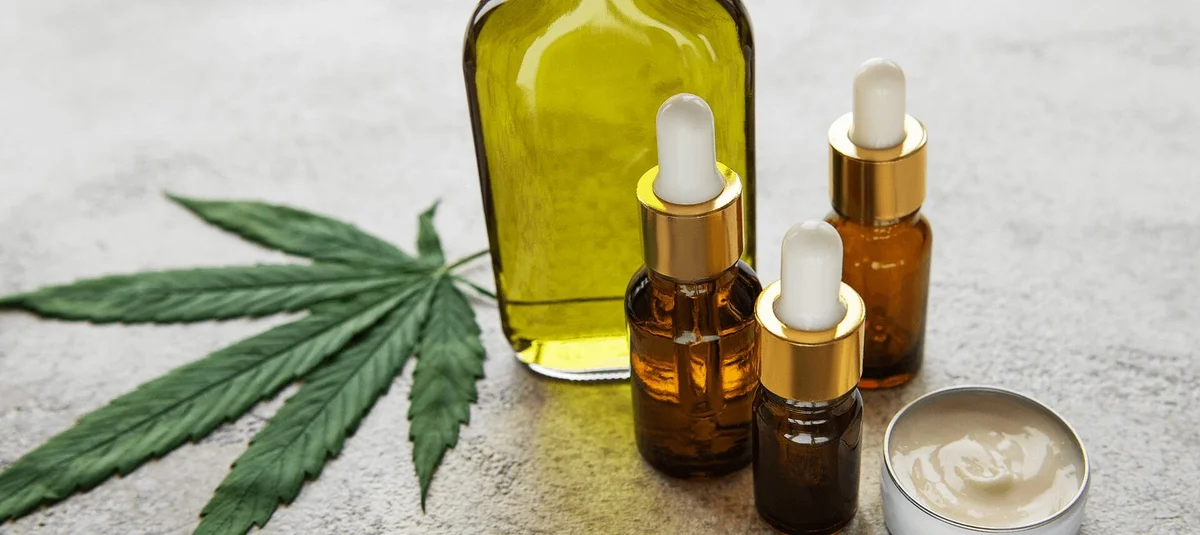
Beginner’s Guide to Tinctures: Precise, Discreet, and Effective Dosing
Tinctures are often the first cannabis product that makes people feel like they are in control. They are quiet, compact, and measurable, which changes the psychology of use. Instead of guessing how strong something is, a person can decide on a small, repeatable dose and build confidence over time. The common misconception is that tinctures are always “fast like vaping” or always “slow like edibles.” In reality, cannabis tinctures can act like either, depending on how they are used. This guide explains sublingual vs edible absorption, how to read strengths, how flavor and carrier oils change the experience, and the best real-world use cases for precise, discreet dosing.
Why cannabis tinctures feel different: control, discreteness, and predictability
Cannabis tinctures are liquid extracts, usually delivered with a dropper so dosing can be measured in milliliters (mL) and converted into milligrams (mg) of THC, CBD, or other cannabinoids. That measurement piece is the main advantage. It supports a calmer decision at the moment of use, which often leads to a better overall experience, especially for people who tend to overthink or feel anxious about taking “too much.”
From an ergonomics standpoint, tinctures are also low-friction. There is no smoke, no lingering odor, and no complicated setup. They can fit into routines where people want subtle effects without changing their environment, like a quiet evening at home, a low-key social setting, or a wind-down ritual.
Actionable tip: treat cannabis tinctures like a “dial,” not a switch. The goal is not to feel dramatically different. The goal is to find the smallest dose that creates the desired shift in mood, tension, or body comfort, while keeping the mind clear.
Sublingual vs edible absorption: what actually happens in the body
How a person uses cannabis tinctures determines how the body absorbs cannabinoids and how the effects feel.
Sublingual use means placing the tincture under the tongue (or along the inner cheek) and holding it for a period before swallowing. This can allow some absorption through oral mucosa, while the rest is swallowed and processed like an edible. In controlled research on oromucosal cannabinoid administration, pharmacokinetics show meaningful variability across people and dosing methods, and the “under the tongue” route does not guarantee instant effects the way some classic sublingual medications do. Still, many users report a more manageable onset compared with edibles, likely because part of the dose begins acting earlier while the remainder comes on more gradually.
Edible-style use means swallowing the tincture right away, or mixing it into food or a drink. In that case, cannabinoids go through digestion and first-pass metabolism in the liver, which tends to produce a later onset and longer duration. That longer arc can be helpful, but it also increases the risk of taking more too soon.
A practical comparison mindset:
- Sublingual-style: often a gentler ramp-up and easier “dose steering” with small increments.
- Edible-style: slower start, longer ride, more commitment once taken.
Actionable tip: choose the absorption route based on the decision you want to make. If the goal is to feel a small change within the same evening and adjust gradually, start with sublingual technique. If the goal is a longer, steady effect window, consider the swallowed approach and plan more time.
How to choose the right strength and measure a dose precisely
Most confusion with cannabis tinctures comes from strength math, not from cannabis itself. The label usually lists total cannabinoids in the bottle (example: 300 mg THC in 30 mL) and sometimes mg per mL.
A simple way to calculate:
- Total mg in bottle ÷ total mL in bottle = mg per mL
Example: 300 mg ÷ 30 mL = 10 mg per mL
Then connect that to your dropper:
- Many droppers hold 1 mL when filled to the line, but not all do. Check the markings.
So if a tincture is 10 mg per mL:
- 0.25 mL is about 2.5 mg
- 0.5 mL is about 5 mg
- 1 mL is about 10 mg
If a person is new to THC, a microdose approach can be more comfortable, such as starting around 1 to 2.5 mg THC, then adjusting slowly across multiple sessions. Consumer-friendly dosing guides often recommend beginning in the 2.5 to 5 mg range for THC tinctures, depending on tolerance and goals.
Actionable tip: keep the first three sessions boring on purpose. Use the same time of day, similar food intake, and the same dose. Consistency makes cannabis tinctures feel predictable, which supports confidence and reduces “chasing” effects.
Flavors, carriers, and sensory experience: why taste changes the outcome
The sensory experience of cannabis tinctures is not just flavor preference. It can influence whether someone uses the product consistently and comfortably.
Common carriers include:
- MCT oil (smooth mouthfeel, often neutral, can feel rich)
- Alcohol-based tinctures (stronger bite, faster evaporation feel, can sting sensitive mouths)
- Glycerin-based tinctures (sweeter, thicker texture)
Flavors are often added to improve palatability. Mint, citrus, vanilla, and berry profiles can reduce the “green” taste. Some tinctures also preserve terpenes or add them back, which can subtly shape aroma and perceived effects. Even when terpene science is still evolving, terpene-driven flavor can change a user’s emotional response to dosing. A harsh or unpleasant taste can increase tension, while a familiar, gentle flavor can support a calmer wind-down ritual.
Actionable tips for better sensory ergonomics:
- If the taste is intense, place the dose under the tongue, keep the head slightly forward, and breathe slowly through the nose.
- Sip water after swallowing, but avoid washing it down immediately if using sublingual technique.
- If mouth sensitivity is an issue, consider an oil-based tincture over alcohol-based.
In an education-focused setting like Embarc, comparing a couple of flavor profiles and carrier types side-by-side can help people choose cannabis tinctures that feel easy to use, not like a chore.
Best use cases for tinctures and how to match them to your goals
Cannabis tinctures shine when the user wants discretion, control, and repeatability. The best use case is not “stronger” or “weaker.” It is “more steerable.”
A few practical match-ups:
- For social ease without feeling foggy: a low THC or balanced THC:CBD tincture, dosed small, can support a subtle shift while keeping conversation and coordination intact.
- For evening downshift and body comfort: a moderate THC dose, or a THC:CBD blend, can feel more body-forward. The key is to choose relaxation, not heavy sedation.
- For people who dislike inhalation: tinctures offer a non-smoking option with flexible timing.
- For routine builders: tinctures are easier to integrate into consistent habits because dose and method can be repeated.
Sublingual use is often chosen when a person wants more immediate feedback and easier adjustments, while swallowing is chosen for a longer effect window. A human study comparing CBD oil delivered as sublingual drops vs oral capsules highlights how route and formulation can change pharmacokinetic patterns and variability, which is exactly why personal tracking matters.
Actionable tip: create a “use-case rule” before dosing. Decide what you want to protect, like a clear morning, a calm dinner, or a steady bedtime. Then choose dose, timing, and route that match that rule.
Making tincture dosing safer and more consistent over time
The biggest risk with cannabis tinctures is not that they are hard to use. It is that they are easy to re-dose. That is where psychology matters. If someone is anxious and keeps checking whether it is “working,” they may take more too early.
A simple consistency protocol:
- Pick a starting dose and keep it for 2 to 3 sessions.
- For sublingual technique, hold the tincture under the tongue for a consistent time each session.
- Wait long enough before considering more. Many people choose a 45 to 90 minute window before adjusting when using sublingual technique, and longer if swallowing.
- Increase in small steps, like 1 to 2.5 mg THC at a time.
Also consider interactions. Cannabinoids can interact with certain medications through liver enzyme pathways, and effects can be stronger when combined with alcohol or other sedatives. A systematic review on cannabidiol pharmacokinetics underscores how route of administration and metabolism contribute to variability, which is another reason to keep dosing gradual and consistent.
Actionable tip: judge the dose by the next morning, not just the first hour. If sleep feels fragmented or mornings feel heavy, the answer is often less THC, earlier dosing, or a shorter-acting approach, not a stronger dose.
Embarc’s community-first education angle fits well here because it encourages people to learn their own patterns and treat dosing as a skill, not a gamble.
Key skills to build confidence with tinctures, one dose at a time
Cannabis tinctures reward patience. The more consistent the technique, the more predictable the feel. Sublingual use and swallowed use can lead to different timelines, so choosing the route intentionally is the first “pro move.” Strength math matters, and the best outcomes usually come from small, repeatable doses that support relaxation without pushing into unwanted heaviness. Flavor and carrier type are not cosmetic details either. They shape comfort, routine adherence, and the overall sensory experience.
For many beginners, tinctures become the first format that feels truly manageable. In community-centered spaces like Embarc, that manageability supports a healthier relationship with cannabis: calm decisions, clearer boundaries, and a focus on learning what works. With a steady approach, cannabis tinctures can become one of the most precise and discreet ways to explore cannabinoids with confidence.